
Key Takeaways
• Water container plants daily or every other day during growing season, as containers dry out much faster than ground soil
• Check soil moisture with the finger test — insert your finger 1-2 inches deep before watering
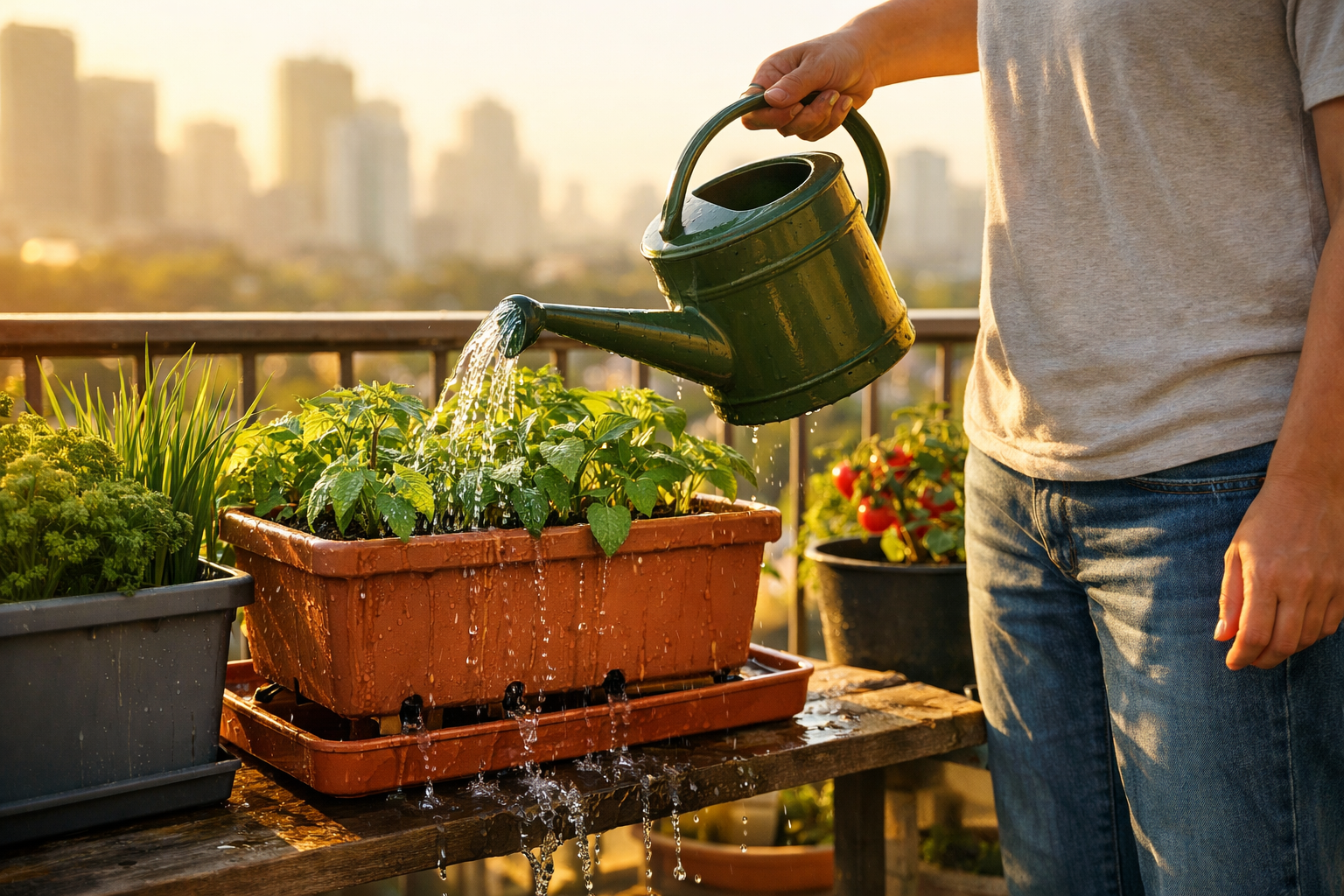
• Water until excess drains from bottom holes to ensure the entire root zone gets moisture
• Container material affects frequency — terracotta needs more water than plastic or glazed pots
• Morning watering is best to prepare plants for daytime heat and prevent disease
• Hot weather doubles water needs — increase from 1 inch to 2 inches per week when temperatures hit 90°F+
• Newly planted containers need extra attention — sometimes twice daily watering in summer heat
• Never let containers completely dry out as this causes flower and fruit drop
Quick Answer
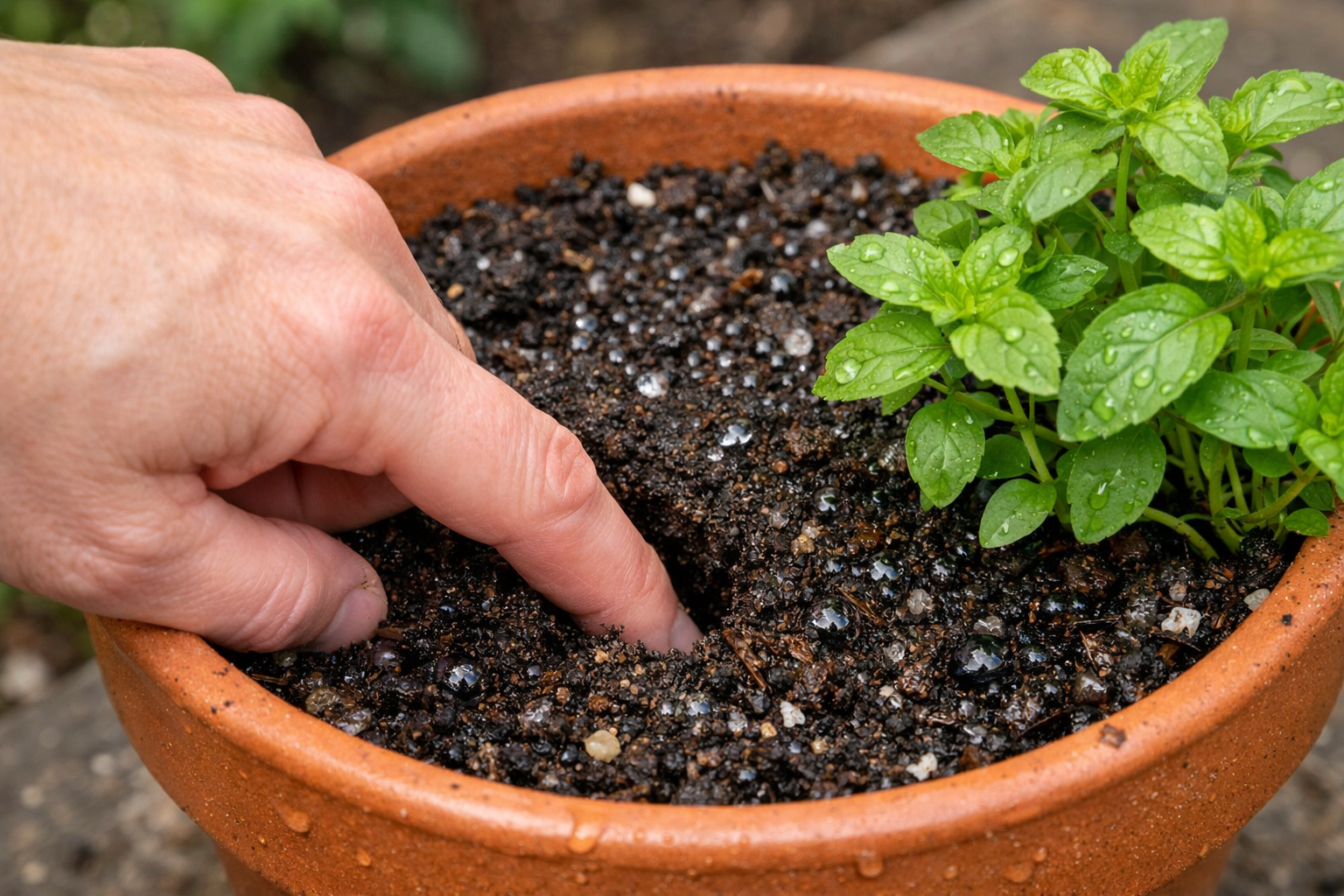
Container plants typically need watering daily or every other day during the growing season because containers dry out much faster than garden beds. Check soil moisture by inserting your finger 1-2 inches deep — if it's dry, it's time to water. Always water until excess drains from the bottom, and adjust frequency based on weather, container material, and plant type.
Understanding How Often to Water Container Plants
Container plants need water much more frequently than plants grown in the ground because the limited soil volume in pots dries out faster and can't retain moisture like larger garden beds [1]. Most container plants require watering daily or every other day during the active growing season.
The key difference between container and ground gardening is soil volume and drainage. While garden beds benefit from surrounding soil moisture and deeper root systems, container plants rely entirely on the water you provide. The smaller the container, the more frequently you'll need to water.
Choose daily watering if your containers are small (under 12 inches), made of porous materials like terracotta, or located in full sun. Choose every-other-day watering if you have larger containers (over 18 inches), use plastic or glazed pots, or your plants are in partial shade.
A common mistake is applying garden watering rules to containers. Ground plants can often go several days between waterings, but container plants simply can't access the same moisture reserves.
If you're new to container gardening, our ultimate guide to container gardening for beginners covers all the basics you need to create a thriving container garden.
How to Check If Your Container Plants Need Water
The finger test is the most reliable way to determine when container plants need water [4]. Insert your finger into the soil up to your second knuckle (about 1-2 inches deep) near the base of the plant. If the soil feels dry at this depth, it's time to water.
Visual signs your containers need water include:
• Soil pulling away from pot edges
• Wilting leaves (especially in morning)
• Dry, light-colored soil surface
• Containers feeling noticeably lighter when lifted
• Plants drooping despite adequate light
Don't rely solely on surface appearance — the top inch of soil can look dry while deeper soil still has moisture. Conversely, recent light rain might wet the surface while leaving roots dry underneath.
Check at the same time daily, preferably in the morning before temperatures rise. This gives you the most accurate reading of your plants' actual water needs rather than temporary heat stress.
One critical mistake is waiting for plants to wilt before watering. By this point, plants are already stressed and may drop flowers or fruit, especially vegetables and herbs.
What Factors Affect How Often to Water Container Plants
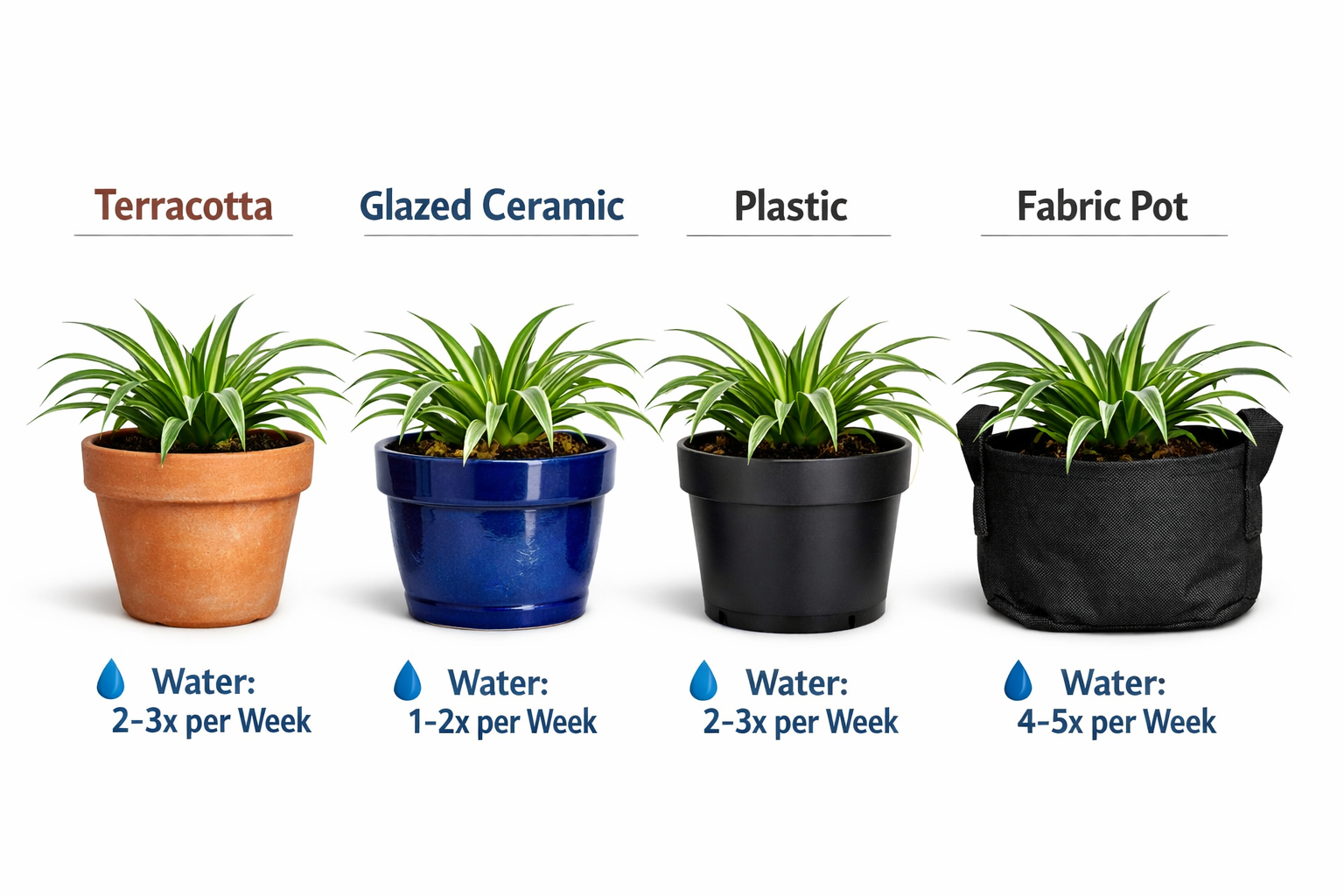
Container material significantly impacts watering frequency because different materials affect moisture retention [3]. Unglazed terracotta pots are porous and allow water to evaporate through the sides, requiring more frequent watering than plastic, glazed ceramic, or metal containers.
Key factors that increase watering frequency:
• Hot weather — temperatures over 90°F can double water needs [2]
• Full sun exposure — containers in direct sunlight dry out faster
• Small container size — less soil means less water storage
• Windy conditions — wind accelerates moisture loss
• Newly planted containers — plants haven't established efficient root systems yet
Factors that decrease watering needs:
• Cooler temperatures — spring and fall require less frequent watering
• Shade or partial sun — reduces evaporation rates
• Large containers — more soil volume retains moisture longer
• Humid climates — slower evaporation rates
• Established plants — mature root systems use water more efficiently
Plant type also matters. Vegetables and annual flowers typically need consistent moisture, while drought-tolerant container plants can handle drier conditions between waterings.
Weather is your biggest variable. During heat waves, even established containers may need watering twice daily, while cool spring weather might extend watering to every 2-3 days.
The Right Way to Water Container Plants
Always water until excess water drains from the bottom drainage holes to ensure the entire root zone receives moisture [1]. This thorough watering encourages deep root growth and prevents dry pockets in the soil.
Proper watering technique:
- Water slowly and gently to avoid washing away soil or disturbing roots
- Direct water at soil level, not on leaves, to prevent disease [1]
- Water in morning when possible to prepare plants for daytime heat [2]
- Allow excess water to drain completely — don't let containers sit in standing water
- Check that water reaches all areas of the container, not just the center
Morning watering between 6-10 AM is ideal because it allows plant tissues to fill with water before heat stress begins and reduces overnight moisture that encourages fungal problems [2].
Avoid these watering mistakes:
• Frequent light watering that only wets the surface
• Watering during peak heat (midday) when water evaporates quickly
• Letting containers completely dry out between waterings
• Watering leaves instead of soil, especially in evening
If your potting mix has dried out completely and shrunk away from pot edges, normal watering won't penetrate properly. Instead, immerse the entire container in a bucket of water until bubbling stops, then allow it to drain [1].
For busy gardeners, consider vegetables that grow well in containers with similar water needs, making it easier to water multiple containers efficiently.
Seasonal Watering Schedules for Container Plants
Summer watering typically requires daily attention for most container plants, especially during hot spells when temperatures exceed 90°F [2]. Newly planted containers may need watering twice daily during peak summer heat.
Spring watering schedule:
• Early spring — every 2-3 days as plants begin active growth
• Late spring — daily watering as temperatures warm and growth accelerates
• Cool, rainy periods — reduce frequency but monitor soil moisture
Summer watering schedule:
• Normal summer days (70-80°F) — daily watering for most containers
• Hot weather (90°F+) — daily watering, possibly twice for small containers
• Heat waves — twice daily watering may be necessary
Fall and winter adjustments:
• Early fall — gradually reduce to every 2-3 days
• Late fall — weekly watering for dormant plants
• Winter — monthly watering for overwintering containers in mild climates
Established vs. newly planted containers have different needs throughout the season. Newly transplanted containers need 2-3 times per week watering until roots establish, typically 2-4 weeks after planting [2].
The 1-inch-per-week rule applies to established container plants under normal conditions, but this doubles to 2 inches per week during hot weather [2]. You can measure this by placing a rain gauge near your containers or using a simple ruler in an empty container.
Troubleshooting Common Container Watering Problems
Overwatering is just as problematic as underwatering and often shows similar symptoms like wilting and yellowing leaves. The key difference is that overwatered soil stays consistently soggy and may develop a sour smell.
Signs of overwatering:
• Yellowing leaves that feel soft and mushy
• Fungal growth on soil surface
• Sour or musty soil odor
• Consistently wet soil that doesn't dry between waterings
• Root rot (black, mushy roots)
Signs of underwatering:
• Wilting that improves after watering
• Dry, crispy leaf edges
• Soil pulling away from container sides
• Very light container weight
• Stunted growth and flower/fruit drop
Quick fixes for watering problems:
• Overwatered containers — stop watering, improve drainage, remove affected plants if necessary
• Underwatered containers — gradually increase watering frequency rather than flooding
• Uneven moisture — check for clogged drainage holes or compacted soil
Potting mix quality affects water retention. Poor-quality mixes may repel water when dry or drain too quickly. High-quality organic soil for container gardening retains moisture while still draining well.
If containers dry out faster than you can keep up with, consider moving them to locations with morning sun and afternoon shade, or group containers together to create a more humid microclimate.
FAQ
How often should I water container plants in hot weather?
Water container plants daily during hot weather (80-90°F) and potentially twice daily when temperatures exceed 90°F. Small containers and those in full sun may need more frequent watering.
Can I water container plants every day?
Yes, daily watering is often necessary for container plants, especially during summer. Unlike ground plants, containers dry out quickly and need consistent moisture to thrive.
How do I know if my container plants need water?
Use the finger test — insert your finger 1-2 inches into the soil. If it feels dry at this depth, it's time to water. Also watch for wilting, light container weight, or soil pulling away from pot edges.
Should I water container plants in the morning or evening?
Morning watering (6-10 AM) is best because it prepares plants for daytime heat and allows foliage to dry before evening, reducing disease risk.
How much water should I give container plants?
Water until excess drains from the bottom holes. This ensures the entire root zone gets moisture. Most containers need about 1 inch of water per week, doubling to 2 inches during hot weather.
Do different container materials affect watering frequency?
Yes, unglazed terracotta pots dry out faster than plastic, glazed ceramic, or metal containers because they're porous and allow water to evaporate through the sides.
What happens if I let container plants dry out completely?
Completely dry containers cause plant stress, flower and fruit drop, and make rewetting difficult as soil shrinks away from pot walls. Consistent moisture is crucial for container plant health.
How often should I water newly planted containers?
Newly planted containers often need daily watering or even twice daily during hot weather until roots establish in 2-4 weeks. Monitor soil moisture closely during this period.
Can I use a watering schedule for all my container plants?
While daily watering works for most containers in summer, adjust based on container size, material, plant type, and weather conditions. Large containers in shade may need less frequent watering.
Why are my container plants wilting even though the soil looks wet?
Surface soil can appear wet while deeper soil remains dry, or plants may be overwatered (which also causes wilting). Use the finger test to check moisture at root level.
How do I water containers when I'm away?
Set up drip irrigation, use self-watering containers, group containers to retain humidity, or ask neighbors to help. Avoid leaving containers without water for more than 2-3 days in summer.
Should I water container plants during rain?
Check soil moisture during rainy periods — light rain may not penetrate deeply enough to reach roots, especially in containers with dense foliage that sheds water.
Conclusion
Mastering how often to water container plants comes down to understanding that containers have fundamentally different needs than ground gardens. Daily or every-other-day watering during the growing season isn't excessive — it's necessary for healthy, productive container plants.
Start with these actionable steps:
• Check soil moisture daily using the finger test
• Water thoroughly until drainage occurs from bottom holes
• Adjust frequency based on weather, container size, and plant needs
• Focus on morning watering when possible
• Monitor your plants' responses and adjust accordingly
Remember that consistent moisture leads to better harvests, more flowers, and healthier plants overall. Container gardening requires more attention than traditional gardening, but the rewards of fresh herbs, vegetables, and beautiful flowers right outside your door make it absolutely worth the effort.
The joy of nurturing nature in containers brings sustainable living within reach for anyone with a balcony, patio, or small outdoor space. As you grow, learn, and flourish in your container gardening journey, you'll develop an intuitive sense for your plants' water needs.
Ready to expand your container gardening knowledge? Explore our guides on container herb gardening and organic container gardening supplies to create your own green paradise.
References
[1] Watering - https://extension.illinois.edu/container-gardens/watering
[2] How Water Wisely Summer - https://www.chicagobotanic.org/plant-information/smart-gardener/how-water-wisely-summer
[3] Watch - https://www.youtube.com/watch?v=42cTql_aG4g
[4] New Plant Watering Guidelines - https://txmg.org/hendersonmg/resources/new-plant-watering-guidelines/

0 Comments