
Key Takeaways
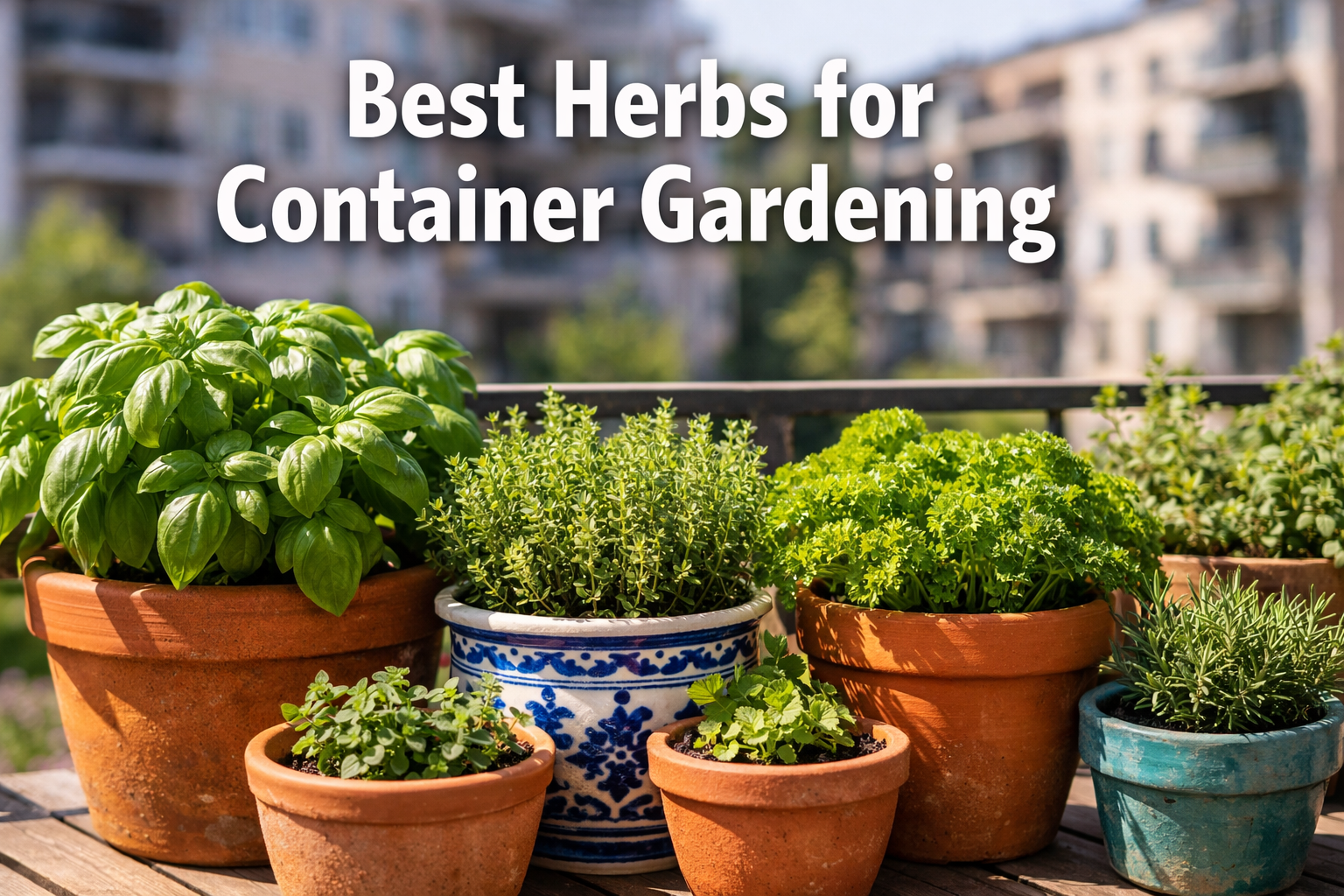
• Basil, thyme, oregano, mint, and parsley are the top-performing herbs for container gardening
• Proper drainage is the most critical factor for success—containers must have drainage holes
• Mediterranean herbs like rosemary and sage thrive in sunny spots with well-draining soil
• Mint and lemon balm should always be grown in containers to prevent aggressive spreading
• Most herbs need 6+ hours of sunlight and prefer slightly dry conditions between waterings
• Smart Pots and fabric planters offer excellent drainage and root health for herbs
• Chives and parsley work well for beginners and can tolerate partial shade
• Container herb gardens work perfectly on balconies, patios, and small urban spaces
Quick Answer
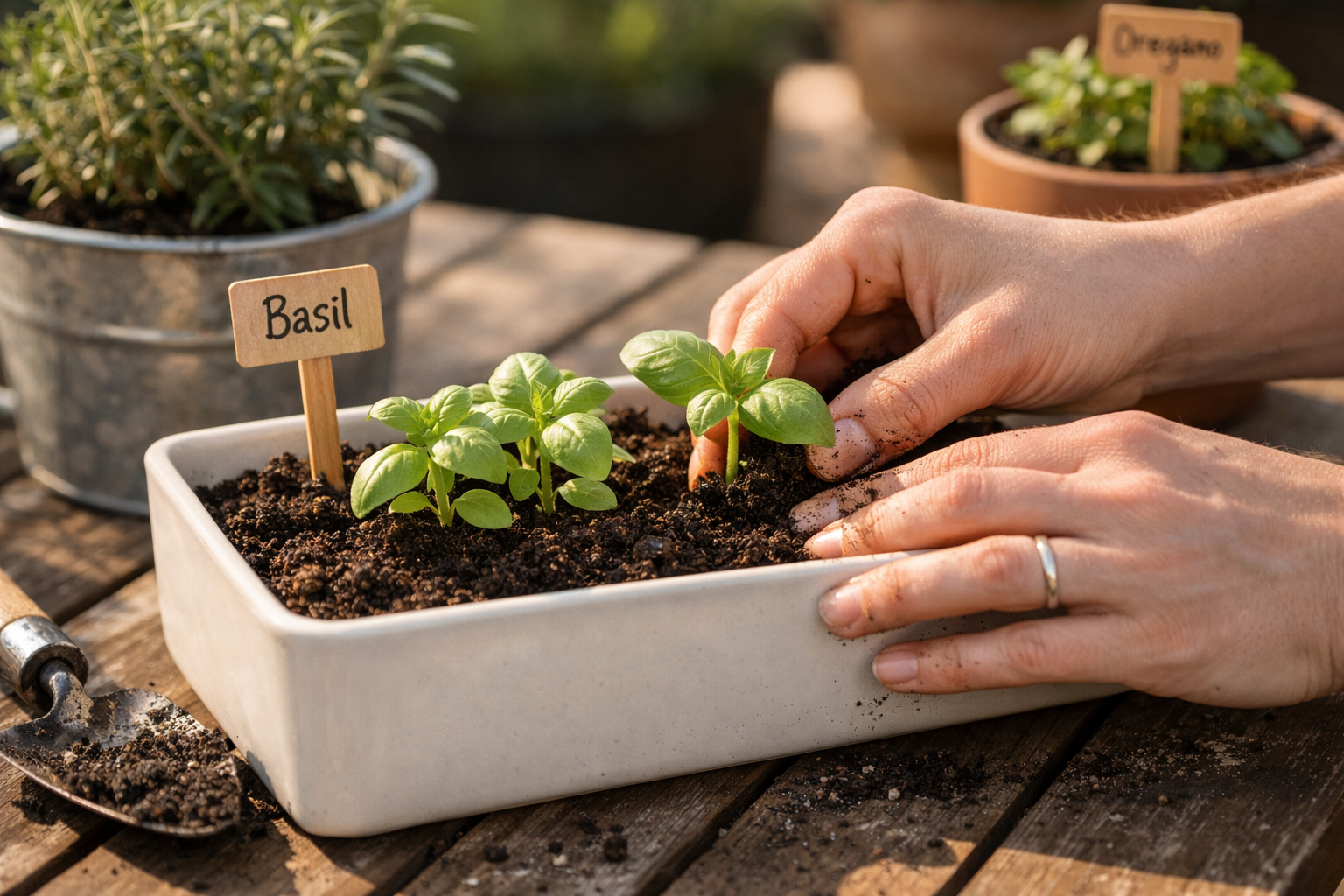
The best herbs for container gardening include basil, thyme, oregano, mint, parsley, and rosemary because they adapt well to pot restrictions and actually prefer the controlled drainage containers provide. These herbs thrive in 6-12 inch pots with good drainage, need 6+ hours of sunlight daily, and offer continuous harvests throughout the growing season.
Why Choose Herbs for Your Container Garden?
Growing herbs in containers offers the perfect entry point into sustainable living and homegrown food production. Herbs are naturally suited to container life because most prefer well-draining soil and controlled root environments—exactly what pots provide.
Container herb gardening solves the space challenge for urban and suburban dwellers while delivering fresh flavors steps from your kitchen. You'll save money on expensive grocery store herbs while enjoying the satisfaction of nurturing nature in your own green paradise.
Choose herbs over other plants if you want: immediate culinary rewards, low maintenance requirements, and plants that actually perform better in containers than in ground gardens. Many herbs like mint and lemon balm can become invasive in garden beds, making containers the smarter choice.
What Are the Best Herbs for Container Gardening?
Basil tops the list as the ultimate container herb because it thrives in warm weather and performs exceptionally well in pots and window boxes [1]. Popular varieties include Genovese for classic Italian dishes, Nufar for disease resistance, and Spicy Globe for compact spaces.
The seven core herbs that consistently succeed in containers are:
• Basil - Heat-loving annual, perfect for beginners
• Greek oregano - Robust flavor for Mediterranean cooking
• Thyme - Drought-tolerant and low-maintenance
• Mint - Vigorous grower that needs container control
• Parsley - Available in curly and flat-leaf varieties
• Lemon balm - Citrusy fragrance, spreads aggressively
• Rosemary - Woody perennial for sunny spots
Mediterranean woody herbs including rosemary, sage, and winter savory release essential oils when warmed by sun, creating natural aromatherapy on your balcony [3]. These herbs actually prefer the excellent drainage that containers provide over heavy garden soils.
Choose annual herbs like basil and cilantro if you want quick results and continuous harvests. Select perennial herbs like thyme and oregano for long-term container gardens that return year after year.
For those just starting their container gardening journey, our ultimate guide to container gardening for beginners provides comprehensive foundation knowledge.
How to Choose the Right Containers for Herbs
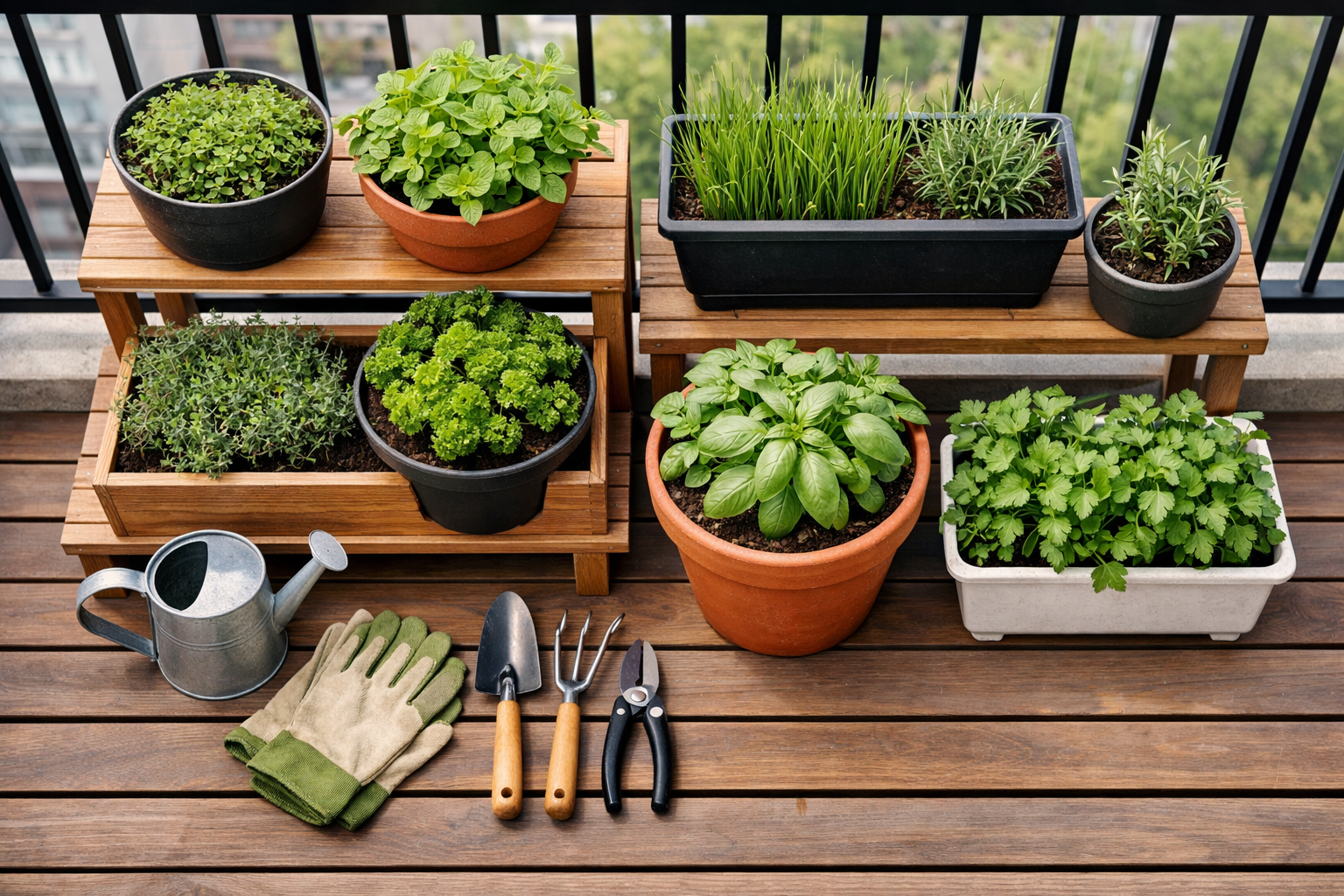
Proper drainage stands as the most critical requirement for successful herb container gardening [1]. Without adequate drainage, even the hardiest herbs will develop root rot and fail.
Container options that work best for herbs:
• Smart Pots (fabric planters) - Excellent drainage and air pruning
• Terra cotta pots - Natural moisture regulation
• Ceramic containers - Attractive with good weight for stability
• Plastic pots - Lightweight and affordable for beginners
Size requirements vary by herb type:
- Small herbs (thyme, oregano): 6-8 inch pots minimum
- Medium herbs (basil, parsley): 10-12 inch containers
- Large herbs (rosemary, sage): 14+ inch pots for mature plants
Avoid containers without drainage holes or those that are too shallow (under 6 inches deep). Herbs need room for root development and proper water movement through the soil.
Common mistake: Using decorative pots without drainage. If you love a specific container, use it as a cachepot and place a properly draining pot inside.
For more detailed guidance on container gardening supplies, including soil and fertilizer recommendations, explore our comprehensive resource guide.
Which Herbs Handle Different Growing Conditions?
Sunny locations (6+ hours direct sun) suit Mediterranean herbs best: rosemary, thyme, oregano, and sage thrive in bright, warm conditions with excellent drainage [3]. These herbs develop stronger flavors and essential oils in full sun.
Partial shade areas work well for: parsley, chives, mint, and lemon balm. These herbs tolerate 4-6 hours of sunlight and appreciate afternoon shade in hot climates.
Cold-exposed spots benefit from hardy herbs like thyme and winter savory that can withstand temperature fluctuations [3]. Ground-hugging varieties offer better wind resistance on exposed balconies.
Hot, dry conditions favor drought-tolerant options:
- Thyme requires minimal watering once established [1]
- Rosemary prefers dry soil between waterings
- Oregano develops intense flavor in slightly stressed conditions
Humid environments suit moisture-loving herbs:
- Mint appreciates consistent moisture
- Parsley benefits from regular watering
- Basil needs steady moisture but not waterlogged soil
Choose English thyme and lemon thyme with variegated leaves for low-maintenance options that handle neglect well [1]. These varieties forgive inconsistent watering better than other herbs.
How to Plant and Care for Container Herbs
Start with quality potting mix designed for containers rather than garden soil, which becomes too heavy and poorly draining in pots. Mix in compost for nutrition and perlite for extra drainage if needed.
Planting steps for success:
- Fill containers 2/3 full with potting mix
- Remove herbs from nursery pots and gently loosen roots
- Plant at the same depth as they were growing previously
- Water thoroughly until water drains from bottom holes
- Place in appropriate light conditions for each herb type
Watering guidelines that prevent most problems:
- Check soil moisture daily by inserting finger 1-2 inches deep
- Water when top inch feels dry for most herbs
- Allow Mediterranean herbs to dry more between waterings
- Water early morning to reduce disease risk
Fertilizing container herbs requires lighter touch: Use diluted liquid fertilizer every 2-3 weeks during growing season, or mix slow-release granules into potting soil at planting time.
Harvesting techniques that encourage growth:
- Pinch flowers on basil and oregano to maintain leaf production
- Cut stems above leaf nodes to promote bushier growth
- Harvest frequently to prevent herbs from going to seed
- Take no more than 1/3 of plant at one time
Common mistake: Over-watering container herbs. Most herbs prefer slightly dry conditions and develop better flavors when not pampered with constant moisture.
For specific guidance on organic container gardening, including natural pest control and organic fertilizers, check our dedicated beginner's guide.
What About Aggressive Spreaders and Special Cases?
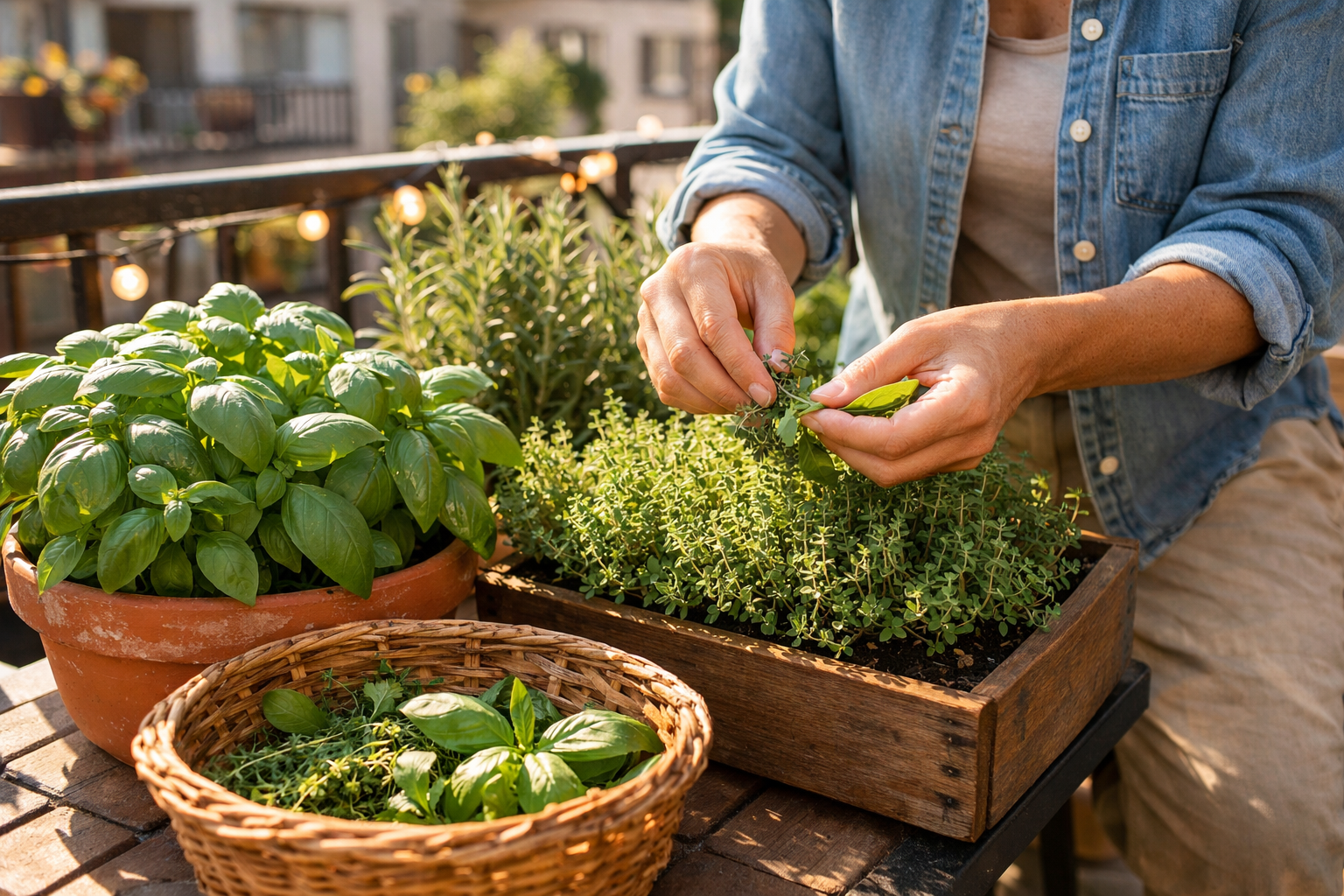
Mint and lemon balm require container isolation because they spread so aggressively they can take decades to control once established in garden beds [1]. Growing these herbs in containers protects your other plants while giving you easy access to fresh leaves.
Mint varieties that work well in containers:
- Spearmint - Classic flavor for teas and cooking
- Peppermint - Strong menthol taste
- Chocolate mint - Unique flavor for desserts
- Apple mint - Mild, fruity taste
Sage deserves more attention as an underutilized container herb with variegated leaves that add visual interest to herb gardens [2]. It withstands long cooking times and works beautifully in meat dishes and hearty stews.
Chives offer year-round growing potential both indoors and outdoors, producing purple flowers suitable for salads when mature [4]. The delicate onion flavor makes them perfect for garnishes and egg dishes.
Dill requires special timing considerations - plant in late spring for best results and succession plant every 2-3 weeks for continuous harvest [2]. Dill bolts quickly in hot weather, so container growing allows you to move plants to cooler spots.
Bay trees adapt well to large containers and can be moved indoors during winter in cold climates. One bay tree provides years of aromatic leaves for soups and stews.
Choose cilantro for cool weather growing and plant new seeds every 2-3 weeks since it bolts quickly. Container growing lets you control timing and extend the harvest season.
For those interested in expanding beyond herbs, explore our guide to vegetables that grow well in containers to create a complete edible container garden.
Frequently Asked Questions
Q: How much space do herbs need in containers?
Most herbs need 6-12 inches of space depending on variety. Small herbs like thyme work in 6-inch pots, while large herbs like rosemary need 14+ inch containers for proper root development.
Q: Can I grow herbs indoors year-round?
Yes, herbs like basil, parsley, chives, and mint grow well indoors with 6+ hours of bright light daily. Use grow lights if natural light is insufficient, especially during winter months.
Q: When should I start herb containers?
Start warm-season herbs like basil after last frost date. Cool-season herbs like parsley and chives can be planted 2-4 weeks before last frost. Perennial herbs can be planted spring through early fall.
Q: How often should I water container herbs?
Check daily and water when top inch of soil feels dry. Mediterranean herbs prefer drier conditions between waterings, while herbs like mint need more consistent moisture.
Q: Do container herbs need fertilizer?
Yes, but lightly. Use diluted liquid fertilizer every 2-3 weeks during growing season, or mix slow-release granules into potting soil at planting time. Over-fertilizing reduces essential oil production.
Q: Which herbs come back each year in containers?
Perennial herbs like thyme, oregano, rosemary, sage, and chives return annually in appropriate climates. Annual herbs like basil and cilantro need replanting each season.
Q: Can I plant multiple herbs in one large container?
Yes, but group herbs with similar water and light needs together. Mediterranean herbs pair well together, while moisture-loving herbs like mint should be grouped separately.
Q: How do I prevent herbs from flowering?
Pinch off flower buds regularly on basil, oregano, and other herbs to maintain leaf production and prevent the plant from going to seed too quickly.
Q: What's the best potting soil for herbs?
Use high-quality potting mix designed for containers, not garden soil. Look for mixes with good drainage and consider adding extra perlite for Mediterranean herbs that prefer drier conditions.
Q: How do I overwinter perennial herbs in containers?
Move containers to protected locations, reduce watering, and consider wrapping pots in insulating material. Some herbs like rosemary may need to come indoors in very cold climates.
Q: Why are my container herbs dying?
Most herb failures result from poor drainage causing root rot, or inconsistent watering. Ensure containers have drainage holes and check soil moisture regularly rather than watering on a schedule.
Q: Can I save seeds from my container herbs?
Yes, allow some plants to flower and go to seed. Collect seeds when dry and store in cool, dark places. Herbs like cilantro, dill, and basil produce viable seeds for next season's planting.
Conclusion
Growing the best herbs for container gardening transforms any small space into a productive source of fresh flavors and sustainable living. Basil, thyme, oregano, mint, parsley, and rosemary consistently deliver excellent results in containers while requiring minimal space and maintenance.
Success comes down to three key factors: choosing containers with proper drainage, matching herbs to their preferred light conditions, and avoiding over-watering. These fundamentals, combined with regular harvesting, will keep your container herb garden productive throughout the growing season.
Start your herb container garden today by selecting 2-3 herbs you use most in cooking. Plant them in well-draining containers, place them in appropriate light, and begin enjoying the satisfaction that comes from nurturing nature while growing your own fresh ingredients.
Your journey toward sustainable living and homegrown food begins with a single herb container. As garden enthusiasts who've discovered the joy of container growing can tell you, there's nothing quite like stepping outside to harvest fresh basil for tonight's dinner or mint for tomorrow's tea.
For comprehensive guidance on getting started, explore our container herb gardening guide and begin creating your own green paradise today.
References
[1] Best Herbs For Container Gardening - https://savvygardening.com/best-herbs-for-container-gardening/
[2] Herb Container Garden Guide - https://stonegableblog.com/herb-container-garden-guide/
[3] Best Herb Planters - https://www.gardenersworld.com/product-guides/growing/best-herb-planters/
[4] My Top Ten Herbs To Grow In Pots And On The Windowsill - https://www.learningwithexperts.com/blogs/articles/my-top-ten-herbs-to-grow-in-pots-and-on-the-windowsill/

0 Comments