
Key Takeaways
• Start simple: Choose containers with drainage holes, quality potting mix, and beginner-friendly plants like herbs and leafy greens
• Sunlight matters: Most edible plants need 6-8 hours of direct sunlight daily, though herbs can thrive with 3-6 hours
• Weight considerations: Use lightweight containers (plastic, resin, or fabric) since soil can weigh 75-80 pounds per cubic foot
• Essential tools: A hand trowel, pruning shears, and watering can with long spout are all you need to get started
• Quick setup: Your entire balcony garden can be established in 2-4 hours with proper planning
• Fast results: Herbs like basil can be harvested within 4-6 weeks of planting
• Daily care: Maintenance requires only 5-10 minutes per day once established
• Space maximization: Use vertical growing methods like wall planters and hanging baskets for small balconies
Quick Answer
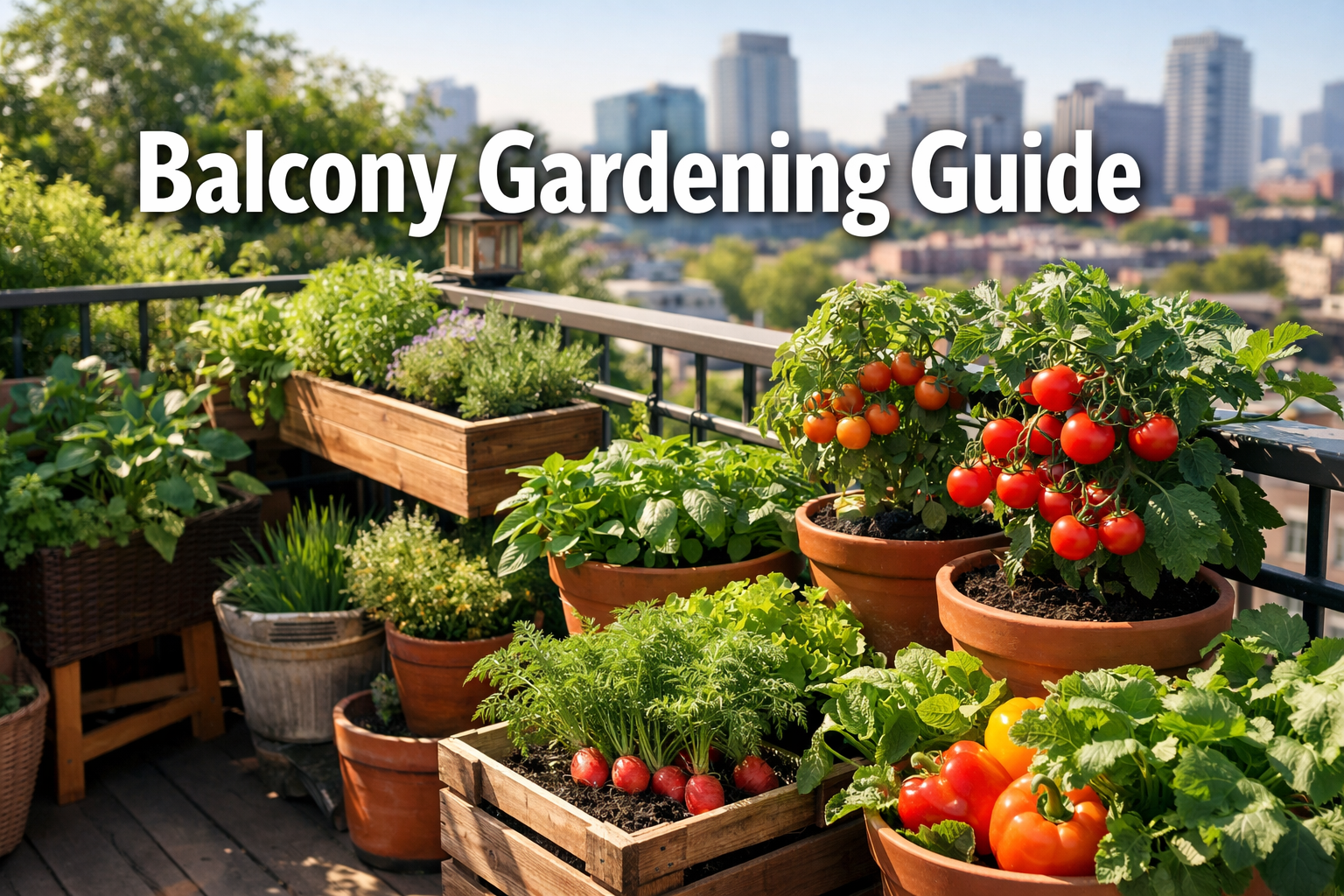
Balcony gardening transforms any small outdoor space into a productive growing area using containers, proper potting mix, and strategic plant selection. Success depends on choosing the right container sizes (6+ inches for herbs, 12+ inches for vegetables), ensuring adequate sunlight (6-8 hours for most edibles), and using lightweight materials to respect weight limits. With basic tools and beginner-friendly plants, you can create a thriving balcony garden in a single weekend.
What Is Balcony Gardening and Why Should You Try It?
Balcony gardening is the practice of growing plants in containers on balconies, patios, or other small outdoor spaces. This method allows urban dwellers to nurture their love for the earth and embrace sustainable living without needing a traditional yard.
The beauty of balcony gardening lies in its accessibility. Whether you're renting an apartment or own a condo with limited outdoor space, you can create your own green paradise using containers and smart space planning. This approach to gardening wisdom helps you grow fresh herbs, vegetables, and flowers right outside your door.
Benefits of balcony gardening include:
• Fresh, homegrown produce at your fingertips
• Reduced grocery costs and food miles
• Improved air quality around your living space
• Stress relief and mental health benefits
• Connection to nature in urban environments
• Year-round growing potential with proper planning
The joy of nurturing nature becomes especially meaningful when you can step outside and harvest ingredients for dinner or enjoy the fragrance of fresh herbs. For urban garden enthusiasts, this represents a perfect entry point into sustainable living practices.
How Do You Choose the Right Containers for Your Balcony Garden?
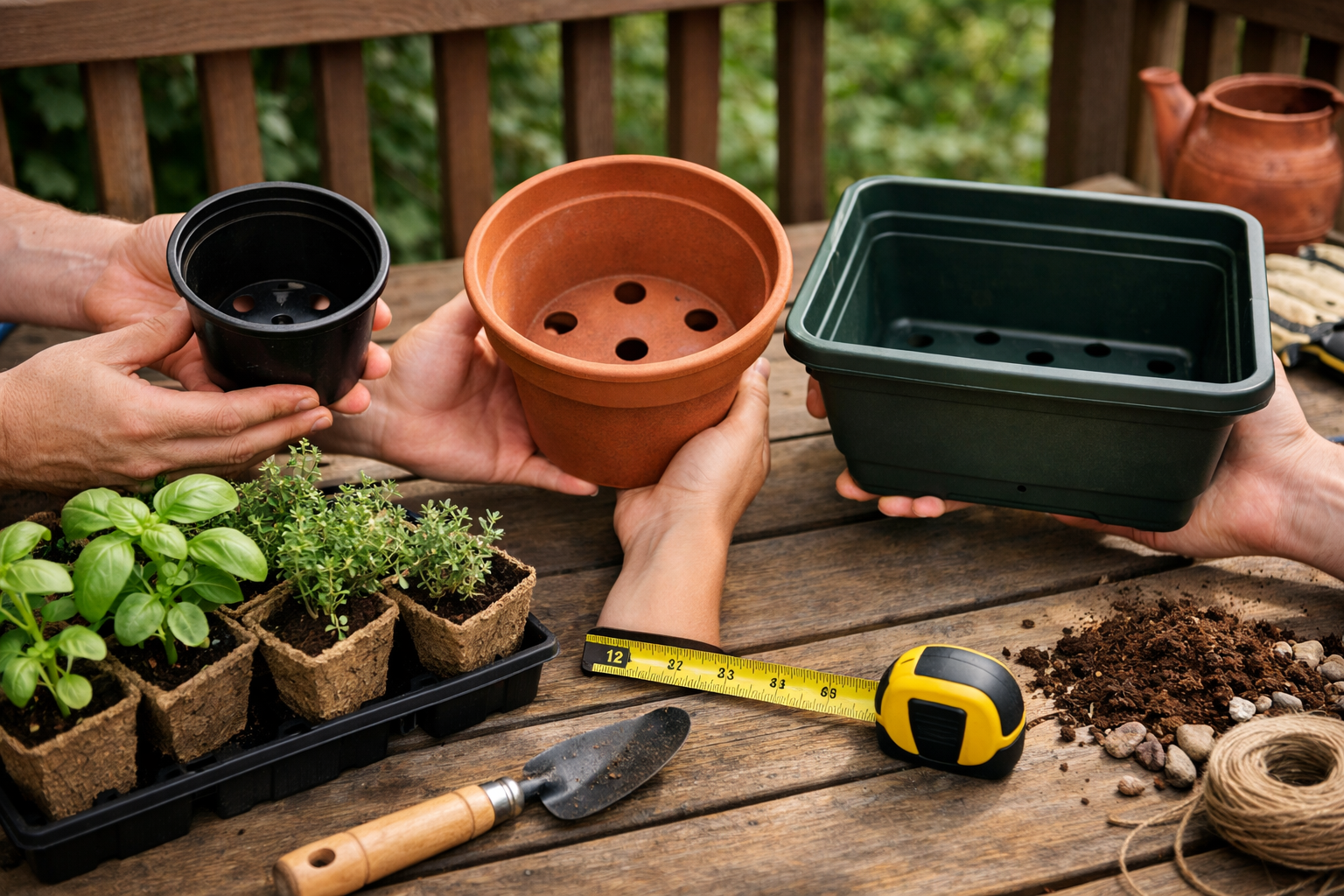
Container selection forms the foundation of successful balcony gardening. The right containers ensure proper drainage, adequate root space, and manageable weight distribution across your balcony.
Essential container requirements:
• Drainage holes: Absolutely mandatory to prevent root rot
• Appropriate sizing: Herbs need 6+ inch pots, vegetables require 12+ inch containers [1]
• Lightweight materials: Choose plastic, resin, or fabric over heavy ceramic or concrete
• Depth considerations: Root vegetables need deeper containers than leafy greens
Weight management is crucial since a cubic foot of soil weighs 75-80 pounds [2]. Most residential balconies support two people with light furniture, so calculate your total weight carefully. Fabric grow bags and plastic containers offer excellent alternatives to heavy materials.
Container sizing guide:
- Herbs (basil, parsley, cilantro): 6-8 inch diameter, 6+ inches deep
- Leafy greens (lettuce, spinach): 8-10 inch diameter, 4-6 inches deep
- Tomatoes and peppers: 12+ inch diameter, 12+ inches deep
- Root vegetables (carrots, radishes): 8-10 inch diameter, 8-12 inches deep
Choose containers that complement your balcony's aesthetic while meeting practical needs. Window boxes work well for railings, while larger containers can anchor corners and create visual interest.
What Are the Essential Tools and Supplies for Balcony Gardening?
Starting your balcony garden requires minimal investment in tools and supplies. The key is choosing quality basics that will serve you well as your gardening skills develop.
Must-have tools include:
• Hand trowel: For planting and soil work
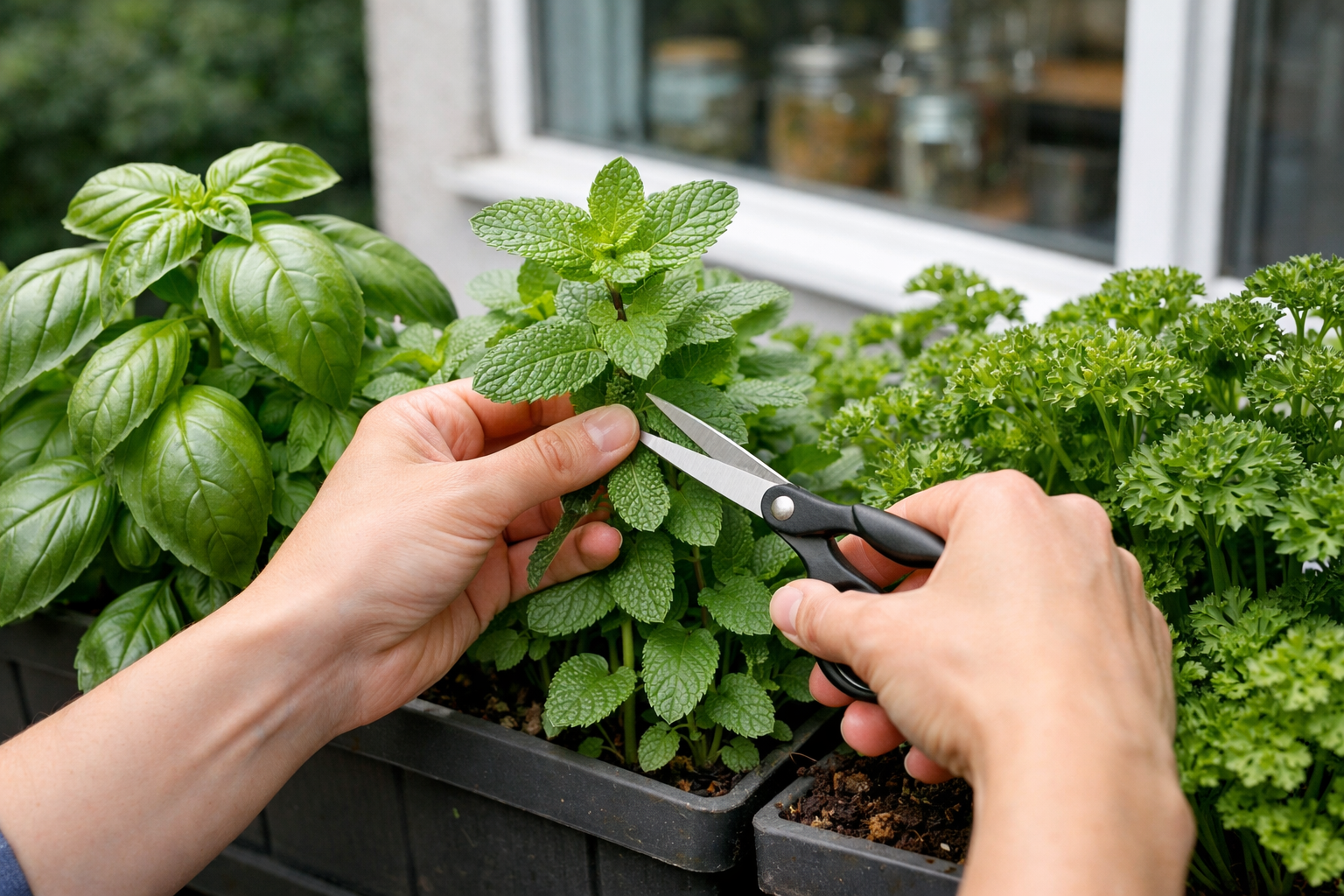
• Pruning shears: For harvesting and plant maintenance
• Watering can with long spout: For precise watering without soil displacement [1]
• Small hand rake: For soil cultivation in containers
• Garden gloves: Protection during planting and maintenance
Essential supplies:
• High-quality potting mix: Never use garden soil in containers [1]
• Organic fertilizer: Slow-release or liquid options
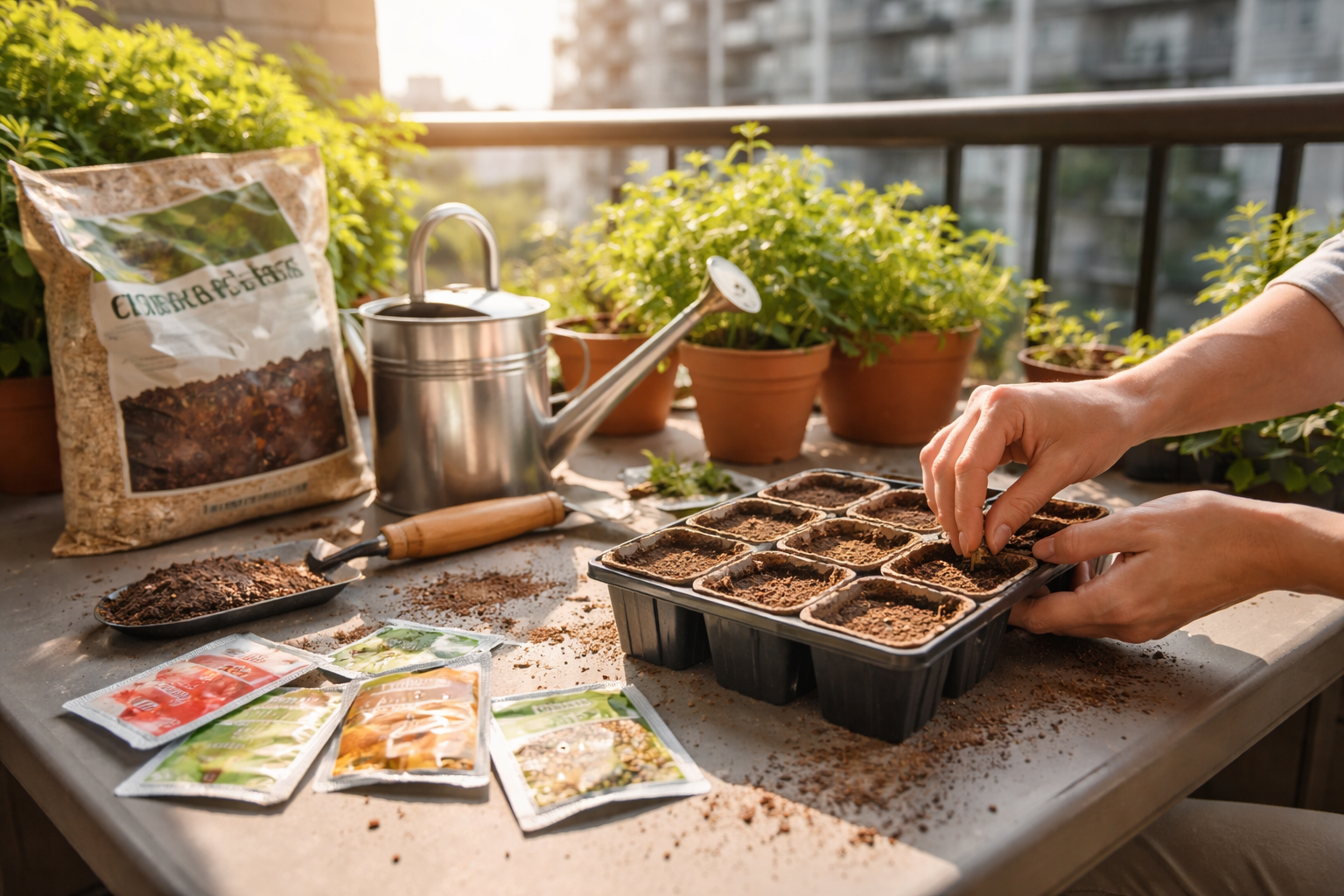
• Seeds or seedlings: Start with beginner-friendly varieties
• Plant labels: Track what you've planted and when
• Mulch: Helps retain moisture and regulate soil temperature
For those interested in organic container gardening supplies, focus on certified organic potting mixes and natural fertilizers. This supports sustainable living practices while ensuring healthy plant growth.
Budget-friendly tip: Start with the basic three tools (trowel, shears, watering can) and add items as your garden grows. Many successful balcony gardeners begin with less than $50 in initial tool investment.
How Do You Plan Your Balcony Garden Layout for Maximum Success?
Effective layout planning maximizes your growing space while ensuring each plant receives adequate sunlight and care access. Start by assessing your balcony's unique conditions before placing any containers.
Sunlight assessment comes first: Most vegetables require 6-8 hours of direct sunlight daily, while herbs can thrive with 3-6 hours [1]. Track sun patterns across your balcony throughout the day to identify the best spots for different plant types.
Space-saving strategies:
• Vertical growing: Use wall planters, hanging baskets, and tiered plant stands
• Railing utilization: Install window boxes or rail planters for herbs
• Corner placement: Position larger containers in corners to keep pathways clear
• Seasonal rotation: Plan for different plants throughout the growing season
Wind protection considerations: High-rise balconies experience strong winds that dry out soil quickly and damage leaves [2]. Position taller plants to shield smaller ones, or install windbreaks using lattice screens or clear barriers.
Traffic flow matters: Maintain clear pathways for daily access and maintenance. Place frequently harvested herbs near the door, with larger, less-accessed plants toward the balcony's edges.
Create zones based on plant needs:
- High-sun zone: Tomatoes, peppers, full-sun herbs
- Partial-sun zone: Leafy greens, shade-tolerant herbs
- Utility zone: Tool storage, potting supplies, watering station
For comprehensive guidance on container arrangement and plant selection, check out the ultimate guide to container gardening for beginners.
What Plants Should Beginners Choose for Their First Balcony Garden?
Success in balcony gardening starts with choosing forgiving, fast-growing plants that build confidence and provide quick rewards. Focus on varieties that adapt well to container life and match your available sunlight.
Top beginner-friendly plants include:
• Herbs: Basil, mint, parsley, cilantro, and chives [3]
• Leafy greens: Lettuce, spinach, arugula, and kale
• Compact vegetables: Cherry tomatoes, peppers, and radishes
• Flowers: Marigolds, petunias, and nasturtiums
Herbs offer the best starting point because they're forgiving, grow quickly, and provide immediate culinary value. Basil can be harvested within 4-6 weeks of planting [1], giving you fast satisfaction and actionable insights into plant care.
Consider your cooking habits when selecting plants. If you frequently use fresh herbs, prioritize basil, cilantro, and parsley. For salad lovers, focus on lettuce varieties and cherry tomatoes.
Avoid these common beginner mistakes:
- Starting with too many different plant types
- Choosing large vegetables like full-size tomatoes in small containers
- Selecting plants that don't match your sunlight conditions
- Planting everything at once instead of staggering plantings
Succession planting strategy: Plant new lettuce or herb seeds every 2-3 weeks for continuous harvests throughout the growing season. This approach ensures you always have fresh produce ready while learning proper timing.
For specific guidance on plant selection, explore our resources on container herb gardening and vegetables that grow well in containers.
How Do You Maintain Your Balcony Garden Throughout the Seasons?
Successful balcony garden maintenance requires consistent daily care and seasonal adjustments. The good news is that established container gardens need only 5-10 minutes of daily attention [1].
Daily maintenance tasks:
• Check soil moisture: Container plants dry out faster than ground plants
• Inspect for pests: Early detection prevents major problems
• Harvest ready produce: Regular harvesting encourages continued production
• Deadhead flowers: Remove spent blooms to promote new growth
Watering requires special attention in container gardens. Soil in containers dries out more quickly due to exposure on all sides [2]. Water when the top inch of soil feels dry, ensuring water drains from the bottom holes.
Seasonal care adjustments:
- Spring: Start seeds indoors, prepare containers, begin outdoor planting after last frost
- Summer: Increase watering frequency, provide shade during heat waves, harvest regularly
- Fall: Plant cool-season crops, collect seeds, begin winter preparation
- Winter: Protect tender plants, reduce watering, plan next year's garden
Fertilizing schedule: Container plants need regular feeding since nutrients wash out with frequent watering. Use liquid fertilizer every 2-3 weeks or incorporate slow-release fertilizer into potting mix at planting time.
Common maintenance mistakes to avoid:
- Overwatering (leading to root rot)
- Inconsistent care schedules
- Ignoring pest problems until they spread
- Forgetting to harvest, which reduces plant productivity
For detailed guidance on soil selection and plant nutrition, visit our guide to the best organic soil for container gardening.
Frequently Asked Questions
How much does it cost to start a balcony garden?
Initial setup costs range from $50-150 depending on container choices and plant selection. Basic tools, containers, potting mix, and starter plants form the main expenses, with ongoing costs limited to seeds, fertilizer, and seasonal plant replacements.
Can I grow vegetables on a shaded balcony?
Yes, though options are limited. Leafy greens like lettuce, spinach, and Asian greens tolerate partial shade (3-4 hours of sunlight). Most fruiting vegetables like tomatoes and peppers need full sun. Consider shade-loving plants for containers for low-light spaces.
How often should I water container plants?
Check soil moisture daily by inserting your finger 1-2 inches into the soil. Water when the top layer feels dry but soil underneath remains slightly moist. This typically means watering every 1-3 days depending on weather, container size, and plant type.
What's the best potting mix for balcony containers?
Use high-quality potting mix specifically designed for containers, never garden soil. Look for mixes containing peat moss or coconut coir, vermiculite, and perlite for proper drainage and moisture retention. Organic options support sustainable gardening practices.
How do I protect plants from strong balcony winds?
Install windbreaks using lattice screens, clear plexiglass panels, or tall plants as natural barriers. Group containers together for mutual protection and choose sturdy, low-profile containers that won't tip over easily.
Can I grow food year-round on my balcony?
In mild climates, yes. Cool-season crops like lettuce and herbs can grow through winter with protection. In cold climates, move tender plants indoors or use cold frames and row covers to extend the growing season.
How much weight can my balcony safely hold?
Most residential balconies support 40-60 pounds per square foot, but check with your building management or structural engineer for specific limits. Use lightweight containers and calculate total weight including soil, water, and plants.
What vegetables grow best in small containers?
Herbs, leafy greens, radishes, cherry tomatoes, and compact pepper varieties thrive in containers. Avoid large vegetables like full-size tomatoes, corn, or winter squash unless you have very large containers (20+ gallons).
How do I start seeds indoors for my balcony garden?
Use seed starting trays, quality seed starting mix, and provide adequate light through a sunny window or grow lights. Start seeds 6-8 weeks before your last frost date for warm-season crops. Our complete guide to starting seeds indoors provides detailed instructions.
Should I use organic or conventional gardening methods?
Organic methods support environmental health and food safety, especially important when growing edibles in small spaces. Use organic potting mix, natural fertilizers, and integrated pest management techniques for sustainable results.
How do I deal with pests in container gardens?
Inspect plants daily for early pest detection. Use companion planting, beneficial insects, and organic pest control methods like neem oil or insecticidal soap. Container gardens often have fewer pest problems than ground gardens due to isolation from soil-borne issues.
What's the biggest mistake new balcony gardeners make?
Overwatering kills more container plants than any other factor. Container soil should be moist but not waterlogged. Ensure all containers have drainage holes and use well-draining potting mix to prevent root rot.
Conclusion
Creating a thriving balcony garden represents one of the most rewarding ways to embrace sustainable living while nurturing your connection to nature. This comprehensive balcony gardening guide provides the foundation you need to transform any small outdoor space into a productive green paradise.
Your next steps to gardening success:
- Assess your space: Measure your balcony, track sunlight patterns, and check weight restrictions with your building management
- Start small: Choose 3-5 beginner-friendly plants like herbs and leafy greens for your first season
- Gather essentials: Invest in quality containers with drainage, organic potting mix, and basic tools (trowel, shears, watering can)
- Plan your layout: Position plants according to sunlight needs and maintain clear pathways for daily care
- Establish routines: Commit to 5-10 minutes of daily maintenance for watering, harvesting, and plant inspection
Remember that every expert gardener started as a beginner. The joy of nurturing nature grows with each successful harvest and each lesson learned along the way. Your balcony garden will provide fresh food, stress relief, and a deeper connection to sustainable living practices.
As you grow, learn, and flourish in your gardening journey, don't hesitate to expand your knowledge through additional resources. Whether you're interested in organic container gardening or exploring drought-tolerant container plants, Seedling Sage offers the actionable insights and gardening wisdom to support your continued success.
Start your balcony garden today, and discover how even the smallest space can yield the greatest rewards for both your table and your soul.
References
[1] Start A Balcony Garden - https://mytinypalace.com/start-a-balcony-garden/
[2] Balcony Vegetable Garden - https://ecofriendlybliss.com/balcony-vegetable-garden/
[3] Balcony Gardening For Renters - https://urbanmicrotips.com/balcony-gardening-for-renters/

0 Comments