
Last updated: March 9, 2026
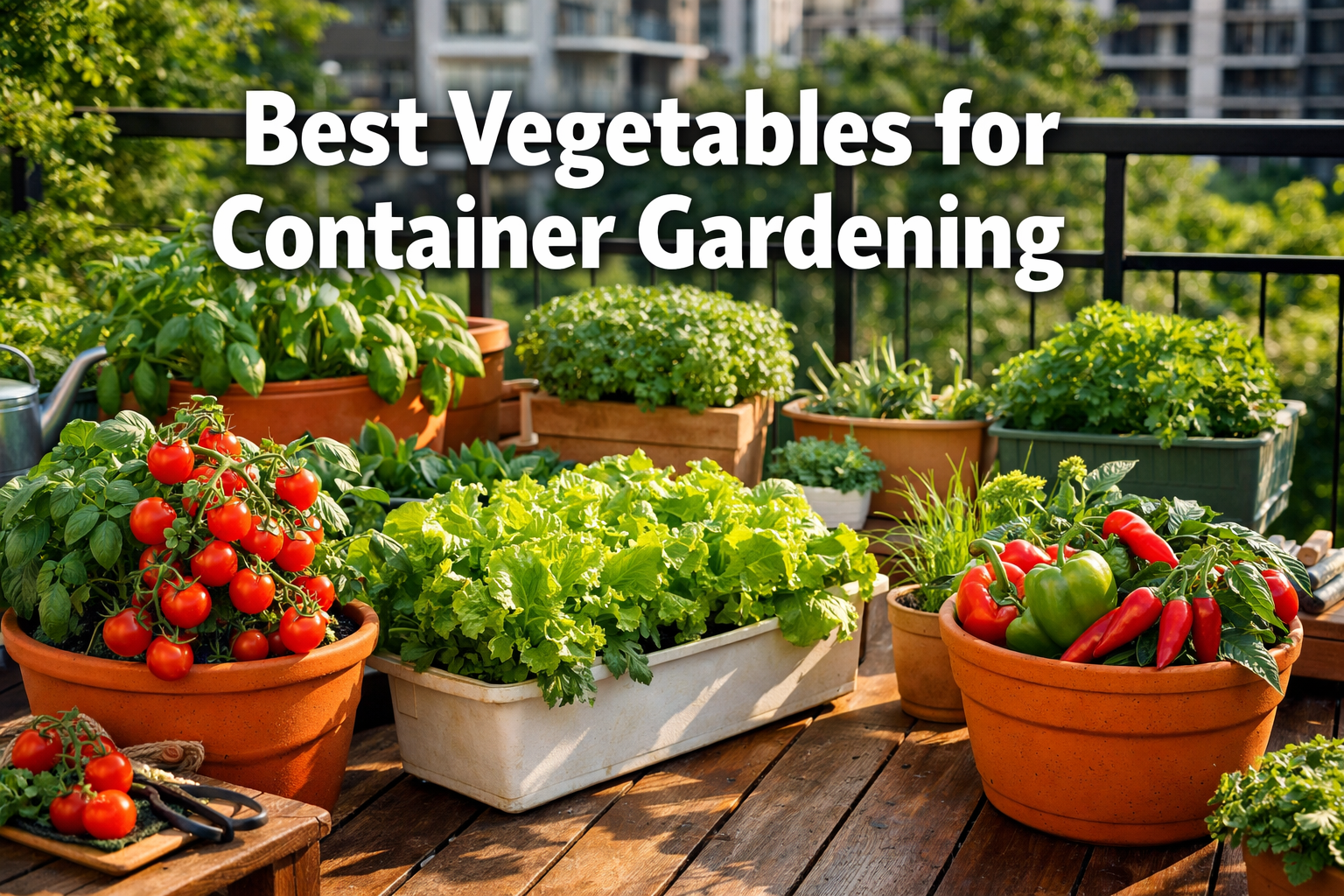
Picture this: you're sipping your morning coffee on your tiny balcony, reaching over to snip fresh lettuce for breakfast while cherry tomatoes ripen just arm's length away. Container gardening transforms any small space into a productive food garden, and choosing the best vegetables for container gardening makes all the difference between thriving plants and disappointing harvests.
Key Takeaways
• Shallow-rooted vegetables like lettuce, spinach, and herbs thrive in containers just 6-8 inches deep
• Fast-growing options including radishes and microgreens provide harvests in 25-45 days
• Cherry tomatoes and peppers are top performers for long-season container growing
• Container depth matters more than width — match soil depth to each vegetable's root needs
• Bush varieties outperform vining types in containers due to compact growth habits
• Heat-loving vegetables like eggplant and peppers excel in the warm microclimate containers create
• Succession planting of quick crops maximizes harvest from limited space
• Proper container size prevents root binding and ensures healthy plant development
Quick Answer
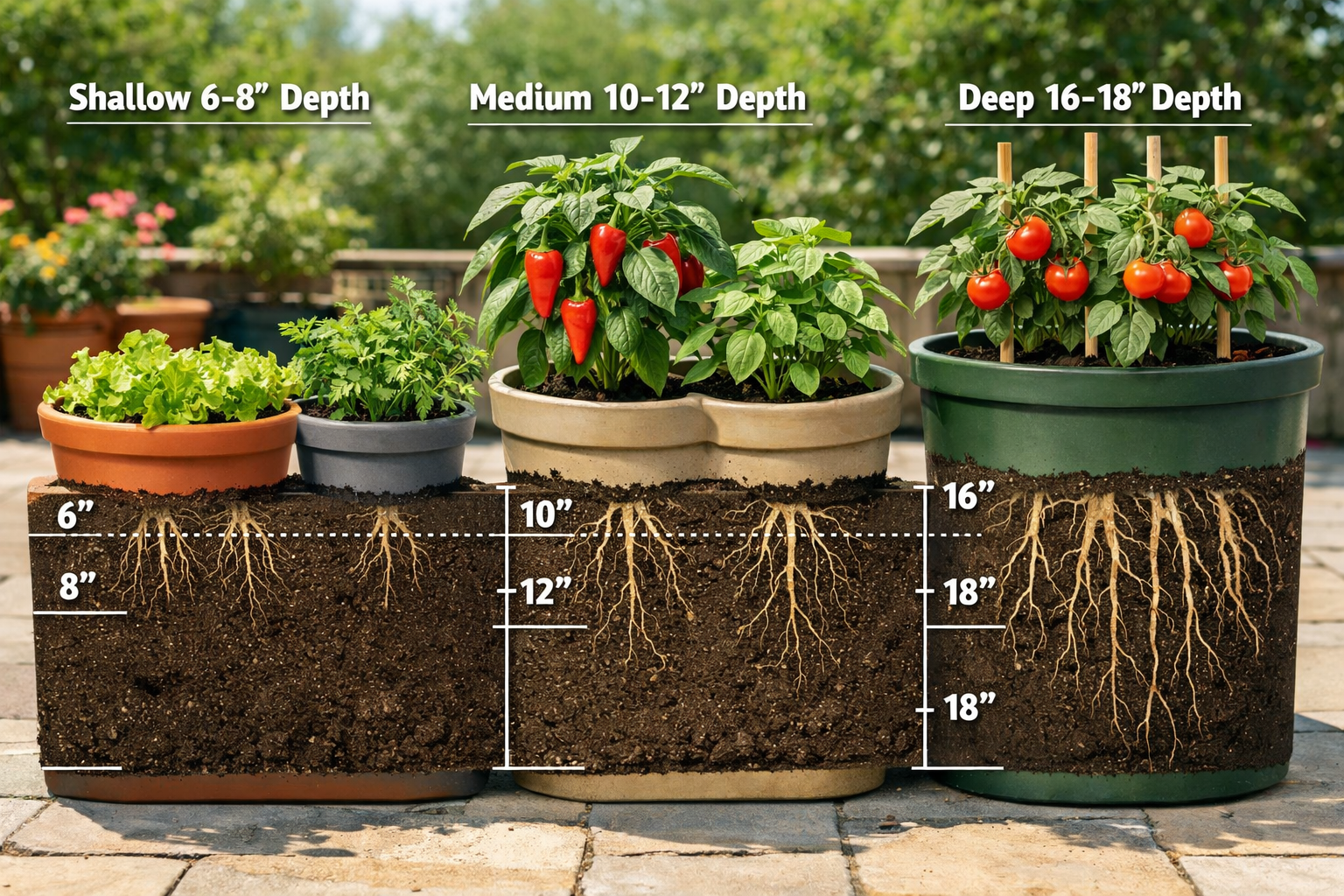
The best vegetables for container gardening include leafy greens (lettuce, spinach, chard), herbs, cherry tomatoes, peppers, bush beans, radishes, and compact varieties of eggplant and zucchini. Success depends on matching container depth to root requirements: shallow containers (6-8 inches) for greens and herbs, medium containers (10-12 inches) for peppers and beans, and deep containers (16+ inches) for tomatoes and larger plants.
What Makes Vegetables Ideal for Container Growing?
The best vegetables for container gardening share specific characteristics that help them thrive in confined spaces. Compact root systems, determinate growth habits, and adaptability to container microclimates separate successful container vegetables from those better suited to ground planting.
Root depth requirements determine container success more than any other factor. Shallow-rooted vegetables like lettuce and spinach flourish in containers 6-8 inches deep, while deep-rooted vegetables like tomatoes and eggplant require 12-18 inches of depth for proper root expansion.[1]
Growth habit matters significantly — bush varieties consistently outperform vining types in containers. Determinate tomatoes, bush beans, and compact pepper varieties stay manageable while producing abundant harvests. Indeterminate or vining plants often become unwieldy and may outgrow their containers.
Heat tolerance and sun requirements also influence container success. Vegetables that thrive in full sun (6-8 hours daily) perform exceptionally well because containers warm faster than ground soil, creating favorable growing conditions for heat-loving plants like peppers and eggplant.
Quick tip: Choose vegetables you actually eat regularly. Container space is precious, so focus on crops that provide the best return on your gardening investment.
For comprehensive guidance on getting started, check out our ultimate guide to container gardening for beginners.
Which Fast-Growing Vegetables Work Best for Container Gardening?
Fast-growing vegetables provide quick satisfaction and multiple harvests throughout the growing season. Radishes, lettuce, spinach, and microgreens reach harvest maturity in just 25-45 days, making them perfect for beginners seeking immediate results.[1]

Radishes top the list for speed, reaching harvest in just 25-30 days. They require only 6 inches of soil depth and tolerate partial shade, making them ideal for smaller containers or less sunny locations.
Lettuce varieties offer continuous harvests when grown using the "cut and come again" method. Leaf lettuce performs optimally with only 2-4 hours of sunlight daily and actually prefers partial shade in hot climates.[1] Popular container varieties include:
• Buttercrunch — compact heads perfect for small containers
• Red Sails — heat-tolerant with attractive red-tinged leaves
• Mesclun mixes — diverse flavors and textures in one container
Spinach thrives in cool weather and provides multiple cuttings before warm weather causes bolting. Plant new containers every 2-3 weeks for continuous harvests through spring and fall.
Microgreens offer the fastest harvest of all — ready to cut in just 7-14 days. Grow them in shallow trays on windowsills for year-round fresh greens regardless of outdoor weather.
Succession planting strategy: Start new containers of fast-growing crops every 2-3 weeks to ensure continuous harvests rather than overwhelming abundance followed by gaps.
What Are the Best Long-Season Vegetables for Container Gardening?
Long-season vegetables require patience but reward container gardeners with abundant harvests over extended periods. Tomatoes, peppers, eggplant, and beans form the backbone of productive container gardens, providing fresh vegetables for 60-90 days or more.[1]

Cherry tomatoes rank as the top container performer among long-season crops. They require 12+ inches of soil depth and full sun (6-8 hours daily), but produce continuously from midsummer through first frost.[1] Recommended varieties include:
• 'Gardeners' Delight' — reliable producer with excellent flavor
• 'Tiny Tim' — ultra-compact for small containers and hanging baskets
• 'Supersweet 100' — prolific clusters of sweet cherry tomatoes
Choose determinate or dwarf varieties to manage plant size. The 'House' variety offers particularly compact growth for tight spaces.[2]
Peppers (both sweet and hot) excel in container heat and sunny locations. Hot peppers offer compact forms with attractive coloration as fruits ripen, such as 'Chinese 5 Colour Pepper'.[2] Sweet bell peppers require larger containers (12+ inches deep) but produce heavily in warm conditions.
Eggplant thrives in heat and provides ornamental value with attractive flowers and glossy fruits. Compact varieties like 'Purple Knight' and 'White Knight' are specifically bred for container growing.[2][3] Eggplant performs best in containers that warm quickly in full sun locations.
Bush beans produce heavily in containers 8-10 inches deep, while pole beans need 12+ inches but offer higher yields in vertical space.[1] Both types prefer full sun and slightly acidic to neutral soil (pH 5.5-7.5).
Support strategy: Install tomato cages or stakes at planting time to avoid disturbing roots later. Most long-season vegetables benefit from sturdy support as they mature.
How Do Container Depth Requirements Affect Vegetable Selection?
Container depth directly determines which vegetables will thrive versus struggle in your space. Matching soil depth to root requirements prevents stunted growth, poor yields, and plant stress that leads to pest and disease problems.
Shallow Containers (6-8 inches deep):
• Lettuce and salad greens — perfect depth for fibrous root systems
• Herbs — most culinary herbs thrive in shallow containers
• Radishes — quick-growing roots develop fully in limited depth
• Microgreens — require only 2-4 inches for complete growth cycle
Medium Containers (10-12 inches deep):
• Peppers — adequate depth for established root systems
• Bush beans — sufficient space for productive root development
• Swiss chard — resilient across cool and warm weather with 6-10 inches needed[1]
• Compact eggplant varieties — smaller cultivars adapt well to medium depth
Deep Containers (16+ inches deep):
• Tomatoes — essential for extensive root systems and plant stability
• Pole beans — climbing varieties need deep anchoring roots
• Zucchini — requires 10+ inches minimum for productive growth[1]
• Leeks — deep roots and long harvest window through winter[2]
Root binding warning: Vegetables planted in containers too shallow for their needs become root-bound, leading to stunted growth, increased water needs, and poor fruit production. Always err on the side of deeper containers when in doubt.
For specific soil recommendations, explore our guide to choosing the best organic soil for container gardening.
Which Vegetables Handle Heat and Sun Best in Containers?
Container microclimates often become hotter and sunnier than ground-level gardens, making heat-tolerant vegetables natural winners. Peppers, eggplant, tomatoes, and heat-tolerant greens thrive in these warm conditions while cool-season crops may struggle.
Heat-loving champions include:
Peppers excel in container heat, with both sweet and hot varieties producing prolifically. Hot peppers like jalapeños, serranos, and ornamental varieties handle extreme heat while providing compact, attractive plants.
Eggplant actually prefers the extra warmth containers provide. Asian varieties like Japanese long eggplant and small Italian types perform exceptionally well in hot, sunny container locations.[2]
Cherry tomatoes handle heat stress better than large-fruited varieties. Their smaller fruits develop quickly even in high temperatures, and determinate varieties concentrate production before peak summer heat.
Heat-tolerant greens extend the growing season:
• Swiss chard continues producing through summer without bolting[1]
• Heat-tolerant lettuce varieties like 'Jericho' and 'Nevada'
• New Zealand spinach — not true spinach but provides similar leaves in hot weather
Sun exposure strategy: Most productive container vegetables need 6-8 hours of direct sunlight daily. Position containers to receive morning sun but some afternoon protection in extremely hot climates (zones 9-10).
Heat management tips:
• Use light-colored containers to reflect heat
• Mulch soil surface to retain moisture
• Consider shade cloth during extreme heat waves
• Group containers to create beneficial microclimates
What Container Vegetables Provide the Best Space Efficiency?
Maximizing harvest from limited container space requires choosing vegetables that provide high yields relative to their footprint. Vertical growers, cut-and-come-again crops, and succession plantings offer the best return on space investment.
High-Yield Space Champions:
Pole beans produce 3-4 times more per square foot than bush varieties by growing vertically. A single container with a trellis provides beans for weeks while occupying minimal floor space.
Cherry tomatoes offer continuous harvest from one plant versus large tomatoes that ripen sporadically. Indeterminate cherry varieties keep producing until frost in suitable containers.
Cut-and-come-again greens provide multiple harvests from single plantings:
• Lettuce — harvest outer leaves while center continues growing
• Swiss chard — cut stems regenerate for months of harvests
• Kale — baby leaves regrow after cutting for extended production
Succession planting crops maximize container turnover:
• Radishes — plant new containers every 2 weeks for continuous harvest
• Bush beans — stagger plantings 3 weeks apart for extended season
• Lettuce — start new containers as others approach maturity
Space-Efficient Planting Strategies:
Interplanting combines fast and slow crops in single containers. Plant radishes or lettuce around tomato seedlings — the quick crops harvest before tomatoes need full space.
Vertical growing utilizes container height through trellises, cages, and hanging baskets. Pole beans, cucumbers, and cherry tomatoes excel with vertical support.
Container size optimization: Use the largest containers your space allows. Bigger containers support larger plants and provide more stable growing conditions than multiple small pots.
For more space-saving ideas, see our comprehensive guide on vegetables that grow well in containers.
Common Mistakes When Choosing Container Vegetables
Even experienced gardeners make predictable mistakes when selecting vegetables for container growing. Avoiding these common pitfalls dramatically improves your success rate and harvest satisfaction.
Choosing containers too small ranks as the #1 mistake. Vegetables need adequate root space to develop properly — cramped roots lead to stunted plants, poor yields, and increased watering needs. Always choose larger containers when in doubt.
Planting indeterminate varieties in containers often creates management headaches. Indeterminate tomatoes, pole beans, and vining squash can quickly outgrow their containers and become difficult to support properly.
Ignoring sun requirements dooms many container gardens. Most productive vegetables need 6-8 hours of direct sunlight daily. Attempting to grow tomatoes or peppers in partial shade results in leggy plants with poor fruit production.
Overcrowding containers reduces yields for all plants involved. Follow spacing recommendations even in containers — plants compete for nutrients, water, and light when planted too closely together.
Poor variety selection for climate zones causes unnecessary failures. Choose varieties bred for your specific growing conditions, whether that's heat tolerance, short seasons, or humidity resistance.
Neglecting succession planting leads to feast-or-famine harvests. Plant new containers of quick crops every 2-3 weeks rather than starting everything simultaneously.
Quick recovery tips:
• Transplant overcrowded seedlings to larger containers immediately
• Add support structures before plants become too large to handle
• Research variety characteristics before purchasing seeds or transplants
• Start small with proven varieties before experimenting with unusual crops
FAQ
What vegetables grow best in 5-gallon containers?
Tomatoes, peppers, eggplant, and bush beans thrive in 5-gallon containers. These provide 12+ inches of soil depth needed for productive root development. Avoid vining crops that outgrow container support systems.
How many vegetables can I plant in one container?
Follow seed packet spacing recommendations even in containers. Generally, plant one large vegetable (tomato, pepper) per 5-gallon container, or 4-6 lettuce plants, or 2-3 herb plants depending on mature size.
Which vegetables need the least sunlight for container growing?
Lettuce, spinach, and most herbs tolerate partial shade (4-6 hours daily). Lettuce actually prefers some afternoon shade in hot climates. Most other productive vegetables need full sun (6-8 hours daily).
Can I grow root vegetables like carrots in containers?
Yes, but choose short or round varieties like Paris Market carrots or Cherry Belle radishes. Standard long carrots need deep containers (12+ inches) and may not develop properly in confined spaces.
What's the minimum container size for growing vegetables?
Shallow greens and herbs need 6-8 inch deep containers minimum. Most productive vegetables require 10-12 inches deep, while tomatoes and large plants need 16+ inches for proper root development.
How often should I water container vegetables?
Check soil moisture daily by inserting your finger 1-2 inches deep. Most container vegetables need watering when the top inch feels dry. Hot weather may require daily watering for large plants in smaller containers.
Which vegetables continue producing all season in containers?
Swiss chard, cherry tomatoes, peppers, and herbs provide continuous harvests. Cut-and-come-again greens like lettuce and spinach also produce multiple harvests from single plantings when harvested properly.
Do container vegetables need special fertilizer?
Container vegetables need more frequent feeding than ground-planted crops because nutrients wash out with regular watering. Use diluted liquid fertilizer every 2-3 weeks or slow-release granules at planting time.
Can I grow vegetables in containers year-round?
Cool-season crops like lettuce, spinach, and herbs grow through winter in mild climates (zones 8-10). In colder areas, move containers to protected locations or grow cold-hardy vegetables with season extension techniques.
What vegetables should beginners avoid in containers?
Avoid large vining crops (winter squash, melons), corn (needs multiple plants for pollination), and long-root vegetables (long carrots, daikon radish) until you gain experience with easier container crops.
Which vegetables attract the fewest pests in containers?
Herbs, lettuce, and radishes typically have fewer pest problems than tomatoes, peppers, or beans. Strong-scented herbs like basil and marigolds may help deter pests when interplanted with other vegetables.
How do I know when container vegetables are ready to harvest?
Harvest timing varies by crop: lettuce when leaves reach desired size, radishes when shoulders appear above soil, tomatoes when fully colored but still firm, and peppers when they reach full size and desired color.
Conclusion
Growing the best vegetables for container gardening transforms any small space into a productive food source while nurturing your connection to sustainable living. Whether you're harvesting crisp lettuce in 30 days or enjoying homegrown tomatoes all summer long, container gardening offers immediate rewards and long-term satisfaction.
Start with proven winners like lettuce, cherry tomatoes, and herbs that forgive beginner mistakes while providing abundant harvests. Match container depths to root requirements, choose varieties bred for container growing, and remember that bigger containers almost always perform better than smaller ones.
The joy of nurturing nature begins with a single container and grows into a green paradise that feeds both body and soul. Your container garden journey starts with selecting the right vegetables for your space, sun exposure, and growing goals.
Ready to start growing? Begin with 2-3 easy vegetables this season, then expand your container garden as you gain confidence and experience. Every expert gardener started with their first container — yours could be just days away from providing fresh, homegrown food.
For complete guidance on getting started, explore our container gardening for beginners guide and discover how simple it can be to grow your own food anywhere.
References
[1] Best Vegetables To Grow In Containers – https://earthbox.com/blog/best-vegetables-to-grow-in-containers
[2] Best Vegetables Pots – https://www.foodgardenlife.com/learn/best-vegetables-pots
[3] Growing Vegetables In Pots – https://www.housebeautiful.com/lifestyle/gardening/g64771812/growing-vegetables-in-pots/
Tags: container gardening, vegetables, urban gardening, small space gardening, balcony garden, patio gardening, container vegetables, beginner gardening, sustainable living, homegrown food, apartment gardening, container growing

0 Comments