
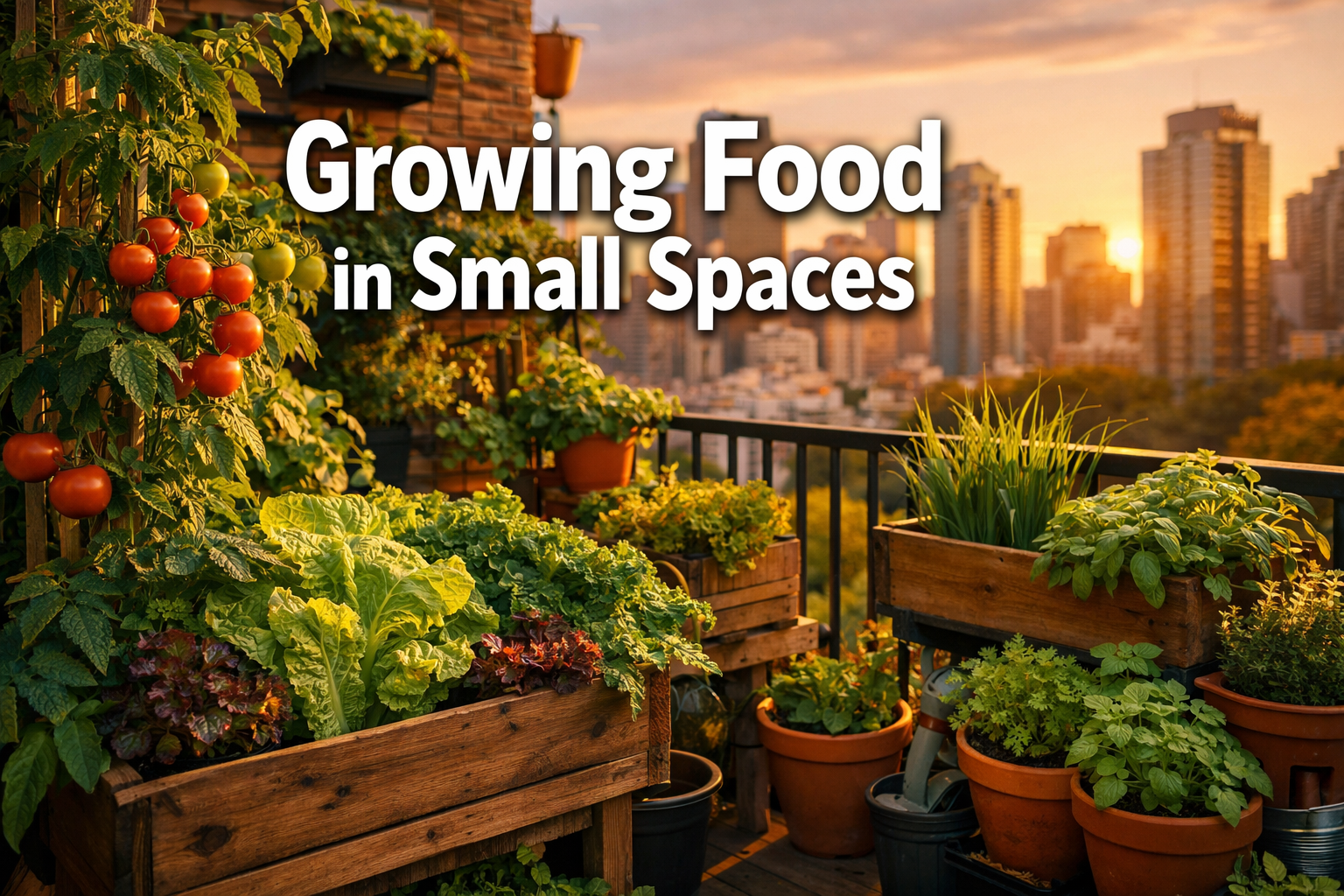
Key Takeaways
• Container gardening is the most accessible way to start growing food in apartments, condos, and small yards
• Compact, high-yield varieties like cherry tomatoes, lettuce, and herbs deliver the best results for limited spaces
• Vertical growing methods can triple your growing capacity using trellises, hanging baskets, and wall planters
• Self-watering containers and smart garden technology make small-space food production easier than ever
• 6+ hours of sunlight is ideal, but many leafy greens and herbs thrive with just 4 hours of direct light
• Kitchen-focused planning helps you grow what you'll actually cook and eat regularly
• Year-round growing is possible indoors with LED grow lights and hydroponic systems
Quick Answer
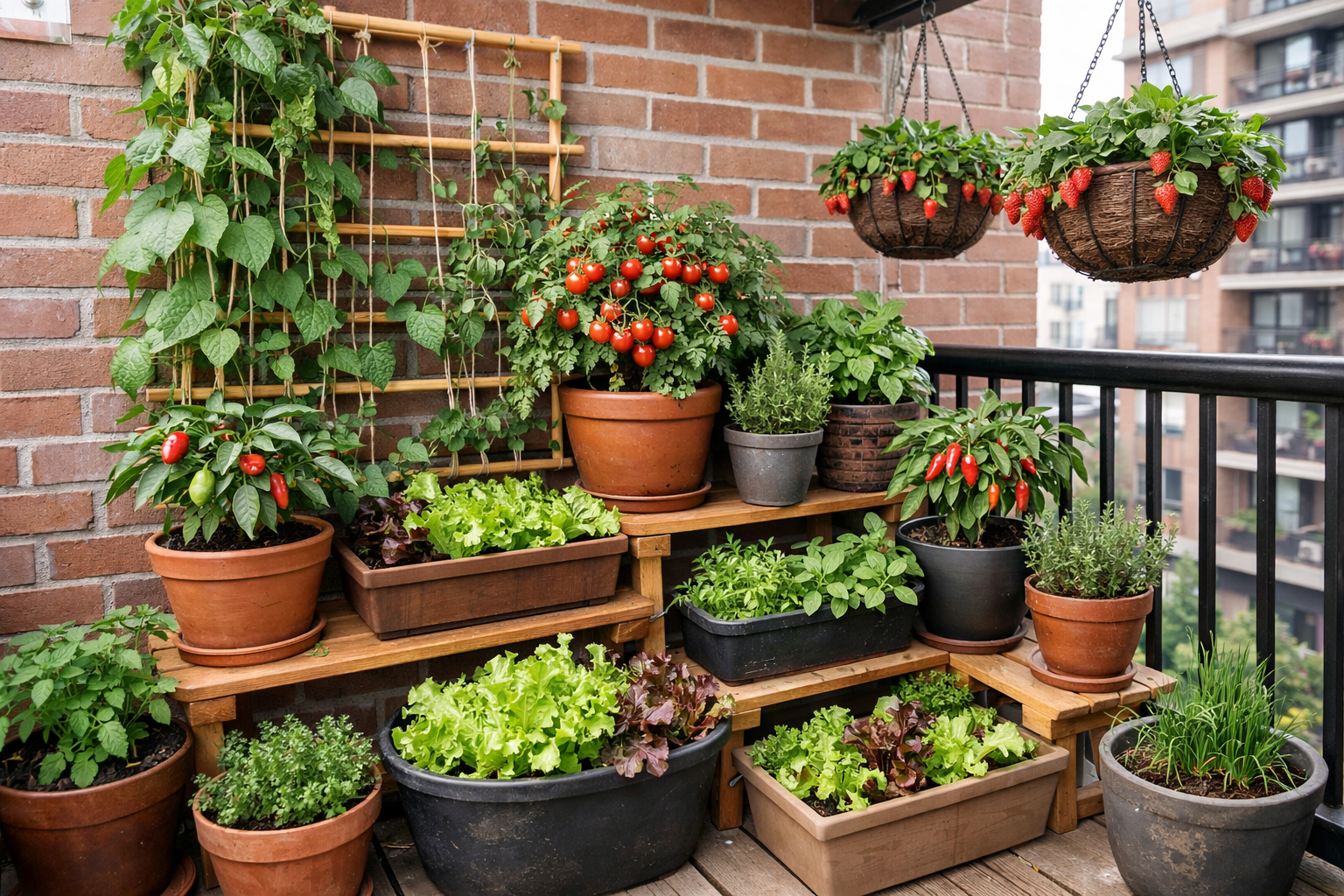
Growing food in small spaces is entirely achievable through container gardening, vertical growing methods, and careful plant selection. Urban gardeners can successfully grow fresh vegetables, herbs, and even small fruits on balconies, patios, or tiny yards by choosing compact varieties, maximizing vertical space, and using proper containers with good drainage. The key is starting with easy-to-grow crops like lettuce, herbs, and cherry tomatoes while gradually expanding your skills and space.
What Are the Best Plants for Growing Food in Small Spaces?
Compact, high-yield varieties dominate successful small-space gardens. These plants deliver substantial harvests without sprawling growth habits that overwhelm limited areas.
Top vegetables for containers:
• Cherry tomatoes - Patio Choice Yellow, Sweet 100, or Tiny Tim varieties
• Leafy greens - Black-Seeded Simpson lettuce, spinach, kale, and arugula
• Bush beans - Blue Lake 274 Bush Bean produces continuously in small spaces
• Peppers - California Wonder Bell Pepper and compact hot pepper varieties
• Radishes - Ready in 30 days and perfect for succession planting
Essential herbs for small gardens:
• Basil - Genovese variety thrives in containers and pairs with tomatoes
• Parsley - Both flat-leaf and curly types grow well in partial shade
• Chives - Perennial herb that returns year after year
• Oregano and thyme - Drought-tolerant Mediterranean herbs
Choose plants based on your cooking habits. If you make salads weekly, prioritize lettuce and herbs. Love fresh salsa? Focus on tomatoes, peppers, and cilantro. This kitchen-focused approach ensures you'll use what you grow.
Avoid space-hungry plants like corn, large squash varieties, or sprawling melons unless you have dedicated vertical support systems.
For detailed guidance on selecting the right plants, check out our complete guide to vegetables that grow well in containers.
How Do You Start Container Gardening for Growing Food in Small Spaces?
Container gardening is the foundation of successful small-space food production. Start with proper containers, quality soil, and easy-to-grow plants before expanding to more challenging crops.
Essential container requirements:
• Size matters - Use 5-gallon containers minimum for tomatoes, 2-3 gallons for herbs
• Drainage holes are non-negotiable - drill additional holes if needed
• Food-safe materials - Avoid containers that previously held chemicals
• Self-watering options reduce daily maintenance for busy schedules
Step-by-step container setup:
- Choose your location - Identify spots with 6+ hours of sunlight
- Select containers - Match pot size to plant requirements
- Add quality potting mix - Never use garden soil in containers
- Plan your layout - Group plants by watering and light needs
- Start small - Begin with 3-5 containers to build confidence
Soil selection is critical. Use a high-quality potting mix designed for containers, not garden soil which becomes waterlogged. Look for mixes containing perlite, vermiculite, or coconut coir for proper drainage.
Common beginner mistake: Overcrowding containers. One tomato plant needs a full 5-gallon container, while you can grow 4-6 lettuce plants in the same space.
Our container gardening for beginners guide provides detailed setup instructions and troubleshooting tips.
What Vertical Growing Methods Maximize Small Space Food Production?
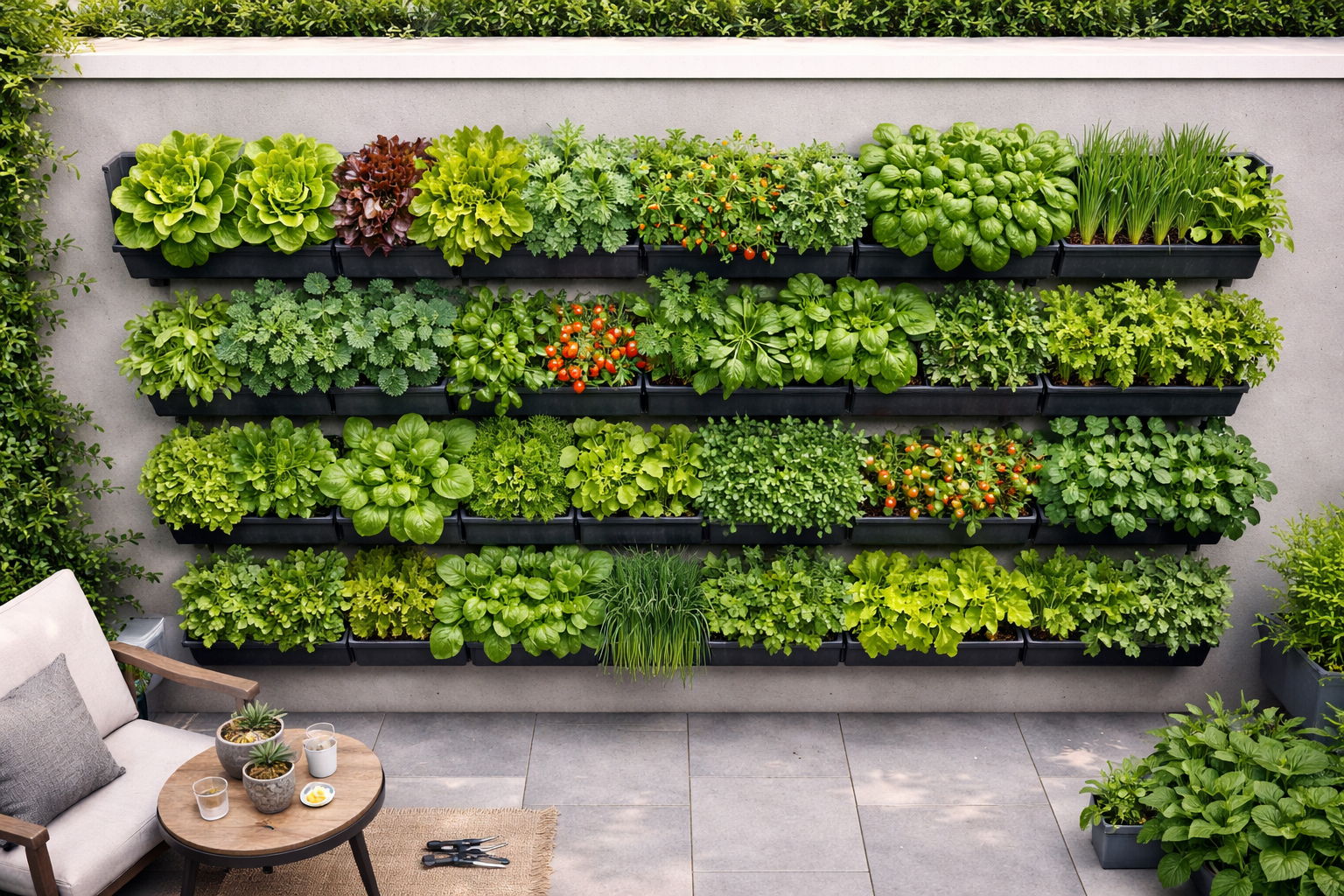
Vertical growing methods can triple your harvest capacity by utilizing wall space, railings, and overhead areas that typically go unused in small gardens.
Proven vertical techniques:
• Trellises and cages - Support climbing beans, peas, and indeterminate tomatoes
• Hanging baskets - Perfect for trailing strawberries and cherry tomatoes
• Wall planters - Mounted systems for herbs and leafy greens
• Tiered plant stands - Create multiple growing levels on patios
• Railing planters - Utilize balcony railings for herbs and compact vegetables
Climbing crops for vertical systems:
• Pole beans - Produce for months with minimal ground space
• Sugar snap peas - Cool-season crop perfect for early spring
• Cucumbers - Choose compact varieties like Straight Eight
• Small melons - Support fruit with fabric slings
Installation considerations:
• Weight limits - Ensure structures can support soil and water weight
• Wind exposure - Secure tall structures against strong winds
• Watering access - Install drip irrigation for hard-to-reach containers
• Sunlight patterns - Avoid shading lower plants with upper containers
Smart vertical arrangement: Place tall plants (tomatoes, beans) on the north side, medium plants (peppers, herbs) in the middle, and low-growing crops (lettuce, radishes) in front to maximize light exposure.
Technology integration: Modern vertical hydroponic towers and smart planters with automated watering make vertical growing accessible even for beginners.
How Much Space Do You Actually Need for Growing Food in Small Spaces?
You can grow meaningful amounts of food in surprisingly small areas. A 4x4 foot balcony can produce enough salad greens for weekly harvests, while a 6x8 foot patio can supply herbs, vegetables, and small fruits for regular cooking.
Space requirements by crop type:
| Crop | Container Size | Space Needed | Expected Yield |
|---|---|---|---|
| Lettuce | 6-8 inches deep | 4-6 inches apart | 4-6 heads per square foot |
| Cherry Tomatoes | 5 gallons | 18-24 inches apart | 5-10 lbs per plant |
| Herbs | 1-2 gallons | 6-8 inches apart | Continuous harvest |
| Bush Beans | 2-3 gallons | 4-6 inches apart | 1/2 lb per plant |
| Peppers | 3-5 gallons | 12-18 inches apart | 10-15 peppers per plant |
Minimum viable growing spaces:
• Windowsill (2 feet) - Herbs and microgreens
• Small balcony (4x4 feet) - Salad garden with 6-8 containers
• Patio (6x8 feet) - Complete vegetable garden with vertical elements
• Tiny yard (8x10 feet) - Raised beds plus container supplements
Maximize productivity through succession planting. Replant lettuce and radishes every 2-3 weeks for continuous harvests. Replace cool-season crops with warm-season varieties as temperatures change.
Calculate your actual needs: One person typically eats 2-3 salads per week. A 4x4 foot space with proper planning can easily supply this demand plus fresh herbs for cooking.
Urban density solutions: Apartment dwellers can supplement balcony growing with indoor hydroponic systems for year-round production of leafy greens and herbs.
What Are the Common Challenges When Growing Food in Small Spaces?
Limited sunlight, watering difficulties, and pest management represent the three biggest obstacles for small-space food gardeners, but each has practical solutions.
Sunlight limitations:
• Problem: Many balconies and patios receive only 4-6 hours of direct sun
• Solution: Focus on shade-tolerant crops like lettuce, spinach, and herbs
• Technology fix: LED grow lights extend growing seasons and enable indoor production
Watering challenges:
• Problem: Containers dry out faster than ground gardens, especially in hot weather
• Solution: Self-watering containers and drip irrigation systems
• Timing strategy: Water early morning to reduce evaporation
Pest and disease issues:
• Problem: Concentrated plantings can attract pests and spread diseases quickly
• Solution: Companion planting with pest-deterrent herbs like basil and marigolds
• Prevention: Proper spacing, good air circulation, and regular inspection
Space constraints:
• Problem: Plants outgrow allocated space or shade neighboring crops
• Solution: Choose determinate varieties and practice succession planting
• Planning tool: Sketch your layout before planting to avoid overcrowding
Weather exposure:
• Problem: Balcony and patio plants face extreme wind, heat, and cold
• Solution: Windbreaks, shade cloth, and season extenders like row covers
• Mobility advantage: Move containers to protected areas during severe weather
Common beginner mistake: Trying to grow too many different crops in the first season. Start with 3-4 reliable varieties and expand your skills gradually.
For comprehensive troubleshooting and organic solutions, explore our organic container gardening guide.
How Do You Plan a Year-Round Small Space Food Garden?
Successful year-round growing requires seasonal planning and succession planting to maintain continuous harvests throughout changing weather conditions.
Spring planning (March-May):
• Start cool-season crops: lettuce, spinach, peas, radishes
• Begin tomato and pepper seedlings indoors
• Prepare containers and refresh potting soil
• Install support structures before plants need them
Summer management (June-August):
• Transition to heat-tolerant varieties
• Implement shade cloth during extreme heat
• Increase watering frequency and consider drip irrigation
• Harvest regularly to encourage continued production
Fall preparation (September-November):
• Plant second round of cool-season crops
• Protect tender plants from early frost
• Begin planning indoor growing setups
• Preserve excess harvest through drying and freezing
Winter growing (December-February):
• Move cold-hardy containers to protected areas
• Utilize indoor growing with LED lights
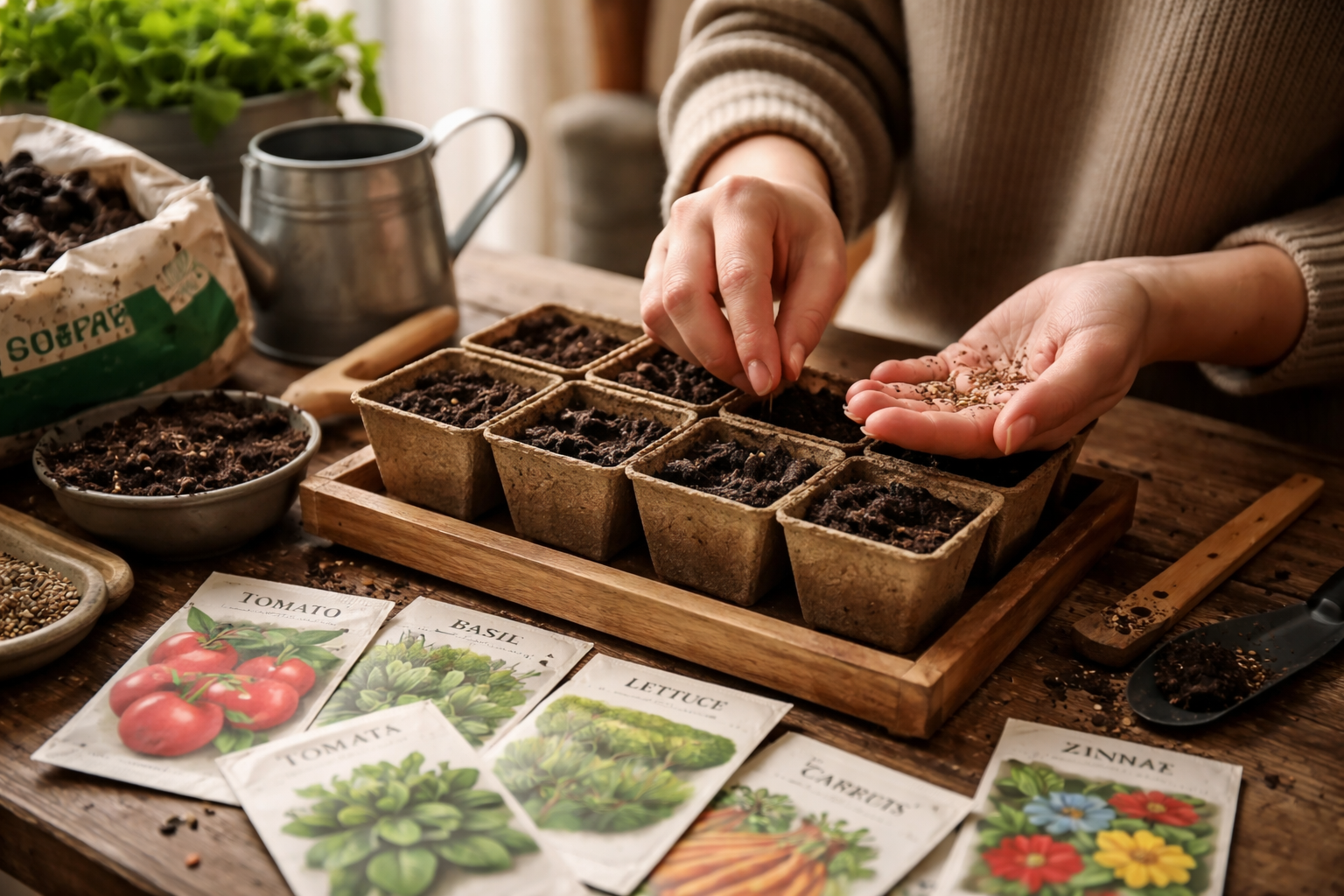
• Start seeds for next season's warm-weather crops
• Plan and order seeds for spring planting
Succession planting schedule:
• Lettuce: Plant new seeds every 2-3 weeks
• Radishes: Quick 30-day crops perfect for continuous planting
• Herbs: Pinch flowers to extend leaf production
• Beans: Plant new containers as previous ones finish producing
Indoor growing supplements: Hydroponic systems and grow lights enable fresh herb and microgreen production during winter months when outdoor growing stops.
Climate considerations: Adjust timing based on your specific zone. Gardeners in warmer climates can grow year-round outdoors, while northern gardeners rely more heavily on season extension and indoor methods.
For detailed seasonal planning, check out our ultimate guide to container gardening for beginners.
FAQ
Q: How much can I really grow on a small balcony?
A: A 4x6 foot balcony can produce 2-3 salads per week, fresh herbs for cooking, and 10-15 pounds of tomatoes per season using containers and vertical growing methods.
Q: What's the minimum sunlight needed for growing food?
A: Most vegetables need 6+ hours of direct sunlight, but leafy greens, herbs, and some root vegetables can thrive with just 4 hours of morning sun.
Q: How often do container plants need watering?
A: Container plants typically need daily watering in summer heat, every 2-3 days in moderate weather. Self-watering containers reduce this to weekly maintenance.
Q: Can I grow food indoors without a balcony?
A: Yes, LED grow lights enable indoor growing of herbs, leafy greens, and microgreens. Hydroponic systems can produce salads year-round on countertops.
Q: What's the best container size for tomatoes?
A: Cherry tomatoes need minimum 3-gallon containers, while full-size varieties require 5-gallon containers for proper root development and fruit production.
Q: How do I prevent pests in small space gardens?
A: Companion planting with herbs, regular inspection, proper spacing for air circulation, and beneficial insects help control pests naturally in container gardens.
Q: When should I start seeds for small space gardening?
A: Start cool-season crops 6-8 weeks before last frost, warm-season crops 4-6 weeks before transplanting outdoors. Check our seed starting guide for timing details.
Q: What's the biggest mistake new small-space gardeners make?
A: Overcrowding containers and trying to grow too many different crops in the first season. Start small with 3-4 reliable varieties and expand gradually.
Q: How much does it cost to start container gardening?
A: Basic setup costs $50-100 for containers, soil, and seeds. Self-watering systems and grow lights increase initial investment but reduce long-term maintenance.
Q: Can I save seeds from container-grown plants?
A: Yes, open-pollinated varieties produce seeds that grow true to type. Hybrid varieties won't reproduce reliably. Learn proper seed packet reading to identify suitable varieties.
Conclusion
Growing food in small spaces transforms any balcony, patio, or tiny yard into a productive garden that supplies fresh vegetables and herbs for your kitchen. The key to success lies in choosing compact, high-yield varieties, maximizing vertical space, and starting with reliable container gardening techniques.
Your next steps for small-space gardening success:
- Assess your space - Measure available area and observe sunlight patterns throughout the day
- Start simple - Choose 3-4 easy crops like lettuce, herbs, and cherry tomatoes for your first season
- Invest in quality basics - Get proper containers, good potting mix, and reliable watering systems
- Plan for succession - Schedule new plantings every few weeks to maintain continuous harvests
- Learn as you grow - Keep notes on what works in your specific conditions and expand gradually
Remember that even the smallest growing space can provide meaningful harvests when planned thoughtfully. Whether you're nurturing herbs on a windowsill or creating a complete vegetable garden on your patio, you're taking an important step toward sustainable living and the joy of growing your own food.
The journey of growing food in small spaces connects you with the rhythms of nature while providing fresh, flavorful ingredients for your table. Start small, stay consistent, and watch your confidence and harvests grow together.
Related Reading:
- Container Herb Gardening Made Easy
- Best Organic Soil for Container Gardening
- Shade-Loving Plants for Containers

0 Comments